High Rigidity Universal Shaft
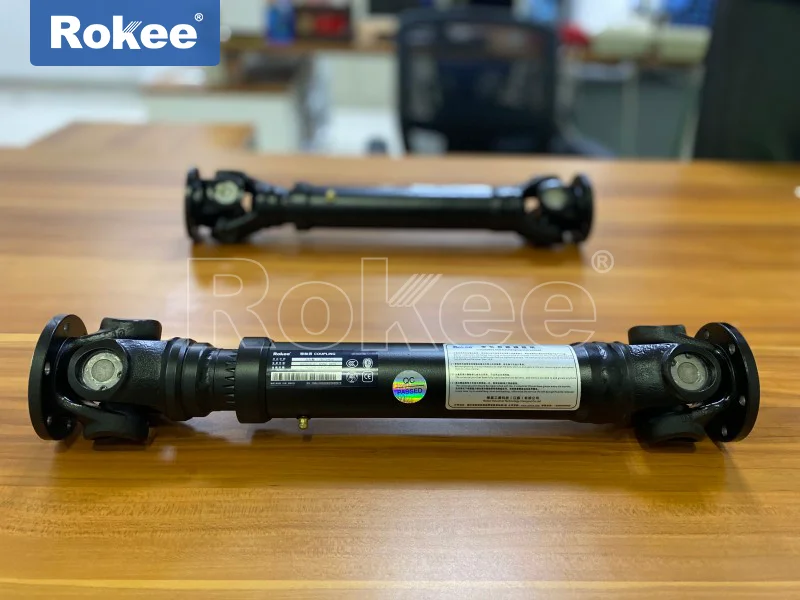
In the realm of mechanical power transmission, the high rigidity universal shaft stands as a pivotal component that bridges the gap between misaligned rotating shafts, ensuring efficient, stable, and reliable torque transfer across diverse industrial scenarios. Unlike standard universal shafts that prioritize flexibility over structural stiffness, high rigidity variants are engineered to resist bending, torsion, and axial deformation under heavy loads and high-speed operation, making them indispensable for applications that demand minimal deflection, precise motion control, and long-term operational stability.
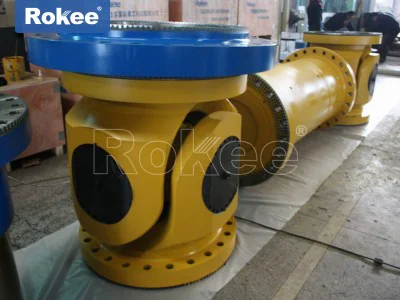
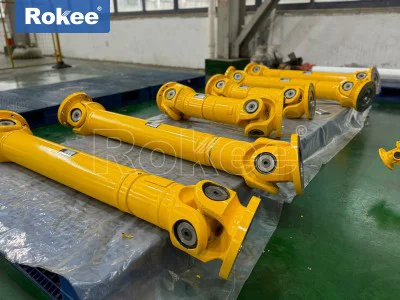
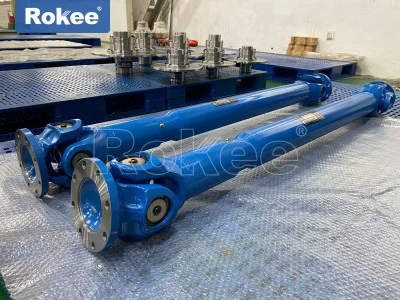
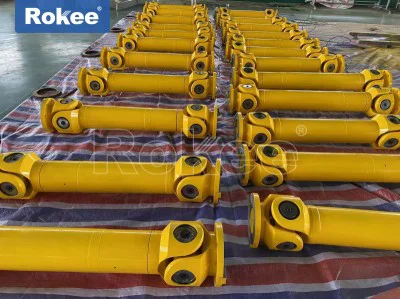
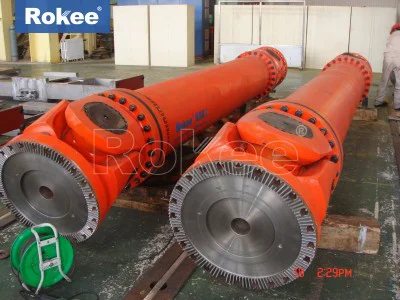
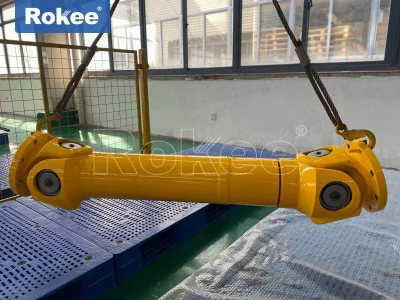
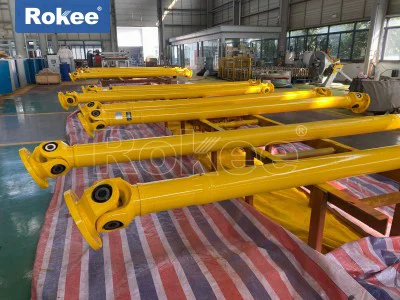
At its core, the structural composition of a high rigidity universal shaft is meticulously optimized to amplify stiffness while retaining the angular compensation capability that defines universal joint technology. The fundamental framework consists of three primary modules: the joint assembly, the intermediate shaft section, and the connection ends, each crafted with precision to enhance overall rigidity and load-bearing capacity. The joint assembly, the heart of the shaft, is typically designed with robust load-bearing elements and reinforced housing to withstand extreme torsional forces and radial pressures; common structural configurations here feature hardened alloy components and precision-machined contact surfaces, eliminating play and reducing frictional wear that could compromise rigidity over time. The intermediate shaft, a critical determinant of overall rigidity, is constructed from high-strength materials with optimized cross-sectional dimensions—thick-walled seamless tubing, solid high-grade alloy bars, or composite reinforced sections are frequently employed to minimize bending deflection under dynamic loads. Unlike lightweight universal shafts that use hollow, thin-gauge materials, high rigidity models prioritize material density and structural integrity, often incorporating reinforced ribs or integrated stiffening structures to boost resistance to torsional buckling and lateral bending. The connection ends, which link the universal shaft to driving and driven equipment, are designed with rigid coupling mechanisms such as flange connections, splined joints, or tapered locks, ensuring a tight, backlash-free fit that prevents energy loss and maintains positional accuracy. Every structural detail is fine-tuned to eliminate weak points: precision welding, seamless forging, and stress-relief heat treatment are standard manufacturing processes to enhance material homogeneity and structural robustness, ensuring the shaft maintains its dimensional stability even under prolonged, high-intensity operation.
The performance characteristics of high rigidity universal shafts are directly shaped by their specialized structural design, setting them apart from conventional flexible universal shafts and positioning them as ideal for heavy-duty and precision-critical applications. Foremost among these traits is exceptional torsional and bending rigidity, which enables the shaft to transmit high levels of torque without significant deformation or angular deflection. This rigidity ensures that rotational motion is transferred with near-perfect synchrony between input and output shafts, eliminating the lag and distortion that can plague less stiff components, making them suitable for high-precision machinery where motion accuracy is non-negotiable. Complementing this rigidity is outstanding load-bearing capacity, engineered to handle both static and dynamic loads—including heavy continuous torque, intermittent shock loads, and axial thrust—without compromising structural integrity. The reinforced joint assemblies and high-strength intermediate shafts distribute stress evenly across the component, preventing localized fatigue and extending service life in harsh operating environments. High rigidity universal shafts also exhibit excellent dimensional stability, maintaining consistent alignment and performance despite fluctuations in temperature, vibration, and operational stress; this stability reduces the need for frequent adjustments and maintenance, enhancing overall equipment reliability. Additionally, these shafts deliver high transmission efficiency, typically exceeding 98% in most operating conditions, as their rigid, low-play design minimizes frictional losses and energy dissipation associated with joint movement and material deflection. They also offer reliable angular compensation, capable of accommodating moderate axial, radial, and angular misalignments between connected shafts without sacrificing rigidity or performance, striking a delicate balance between stiffness and functional flexibility. Furthermore, high rigidity universal shafts demonstrate superior resistance to fatigue and wear, with hardened contact surfaces and durable bearing mechanisms that withstand repetitive rotational stress, ensuring consistent performance over extended service intervals even in demanding industrial settings.
High rigidity universal shafts are classified into distinct categories based on structural design, joint configuration, load capacity, and functional adaptability, each tailored to address specific operational requirements and application scenarios. One primary classification is based on joint type, which dictates the shaft’s angular flexibility, load capacity, and operational speed. Cross-axis universal shafts, the most prevalent type in high rigidity designs, feature a cross-shaped joint assembly with reinforced bearing components, offering exceptional torsional rigidity and high load-bearing capability; these shafts are optimized for heavy-duty, low-to-medium speed applications where maximum stiffness and torque transfer are prioritized, and they excel at handling large radial and axial loads with minimal deflection. Constant velocity universal shafts, another key category, are engineered with precision ball or roller mechanisms that maintain consistent rotational speed between input and output shafts even at angular misalignments, combining high rigidity with smooth, vibration-free operation; these are ideal for high-speed, precision-driven applications where both stiffness and motion uniformity are critical. A secondary classification is based on load-bearing capacity, dividing shafts into heavy-duty, medium-duty, and precision-grade variants. Heavy-duty high rigidity universal shafts feature oversized joint components, thickened intermediate shafts, and ultra-high-strength materials, designed to transmit extremely high torque and withstand severe shock loads in heavy industrial machinery. Medium-duty variants strike a balance between rigidity and versatility, suitable for a broad range of general industrial applications that demand consistent stiffness and moderate load capacity. Precision-grade high rigidity universal shafts are manufactured with tight tolerances and refined structural details, prioritizing minimal deflection and precise motion control for high-precision equipment. Shafts can also be classified by structural configuration into fixed-length and telescopic types: fixed-length high rigidity universal shafts offer maximum structural stiffness with no axial adjustability, perfect for applications with fixed shaft spacing; telescopic variants integrate a rigid, backlash-free sliding mechanism to accommodate axial displacement while retaining high rigidity, suitable for scenarios where shaft spacing may vary slightly during operation. Additionally, they are categorized by application-specific design, including industrial transmission shafts, precision machinery shafts, and heavy equipment shafts, each optimized to meet the unique rigidity, load, and performance demands of their target use cases.
The unique combination of high rigidity, reliable torque transmission, and moderate angular compensation makes these universal shafts a versatile solution across countless industrial sectors, where they serve as critical links in power transmission systems that require stability, precision, and durability. In heavy industrial manufacturing, particularly in metalworking and metallurgical operations, high rigidity universal shafts are widely used to connect drive systems to rolling mills, presses, and forging equipment; their exceptional stiffness and load-bearing capacity enable the transfer of massive torque required for metal forming processes, maintaining precise shaft alignment and preventing deflection that could compromise product quality or equipment functionality. In the mining and quarrying industry, these shafts are integrated into crushers, conveyors, and drilling machinery, where they withstand heavy shock loads, continuous vibration, and harsh environmental conditions, ensuring uninterrupted power transmission and minimizing downtime due to component failure. In the field of precision engineering and machine tool manufacturing, high rigidity universal shafts play a vital role in CNC machine tools, grinding machines, and milling equipment; their minimal deflection and precise motion transfer ensure the accuracy of machining operations, enabling the production of high-precision components with tight tolerances and smooth surface finishes. For heavy machinery and construction equipment, such as excavators, cranes, and concrete mixers, these shafts provide reliable power transfer between engine and working components, offering the rigidity to handle heavy loads and the flexibility to accommodate shaft misalignment caused by equipment movement and vibration. In the automotive and transportation equipment sector, high rigidity universal shafts are utilized in heavy-duty vehicles, rail transit systems, and marine propulsion systems, where they deliver efficient torque transfer while resisting deformation under dynamic operating conditions, enhancing vehicle stability and operational efficiency. They also find extensive use in power generation equipment, including turbines, generators, and pump systems, where their high rigidity and fatigue resistance ensure stable power transmission in continuous operation, supporting the reliable generation and distribution of energy. Beyond these core sectors, high rigidity universal shafts are employed in packaging machinery, textile equipment, agricultural machinery, and various automated production lines, wherever a balance of structural stiffness, torque transfer efficiency, and moderate angular compensation is required to sustain smooth, reliable mechanical operation.
Beyond their core functional applications, the design and performance of high rigidity universal shafts also align with broader industrial trends toward enhanced efficiency, durability, and operational sustainability. As industrial machinery continues to evolve toward higher loads, faster speeds, and greater precision, the demand for high rigidity universal shafts with optimized structural performance continues to rise. Manufacturers focus on refining material selection, adopting advanced alloy steels, composite materials, and heat treatment processes to further boost rigidity while reducing unnecessary weight, creating a more efficient power transmission component that lowers energy consumption and reduces wear on connected equipment. The integration of precision engineering and finite element analysis in the design phase allows for targeted structural optimization, enhancing rigidity at critical stress points without overengineering, resulting in components that offer superior performance with improved longevity. Moreover, the adaptability of high rigidity universal shafts to diverse operating conditions—from extreme temperatures and heavy contamination to high-speed rotation and continuous load—makes them a future-proof solution for emerging industrial applications, including automated manufacturing systems, renewable energy equipment, and advanced material processing machinery.
In summary, the high rigidity universal shaft is a masterfully engineered mechanical component that merges robust structural design, exceptional performance attributes, and versatile functional adaptability to meet the rigorous demands of modern power transmission systems. Its meticulously crafted structure, centered on reinforced joints, high-strength intermediate shafts, and rigid connection mechanisms, delivers unparalleled torsional and bending rigidity, superior load-bearing capacity, and reliable angular compensation, distinguishing it from conventional universal shafts. The diverse classification of these shafts, based on joint type, load capacity, and structural configuration, ensures a tailored solution for every operational scenario, from heavy-duty industrial processing to high-precision machining. Spanning across heavy industry, precision engineering, transportation, power generation, and automated manufacturing, high rigidity universal shafts serve as unsung heroes of mechanical transmission, enabling the smooth, stable, and efficient operation of critical equipment worldwide. As industrial technology advances, the role of high rigidity universal shafts will only grow more prominent, driven by the ongoing need for stiffer, more durable, and more efficient power transmission components that can elevate the performance, reliability, and sustainability of industrial systems across the globe.