High Torque Universal Shaft
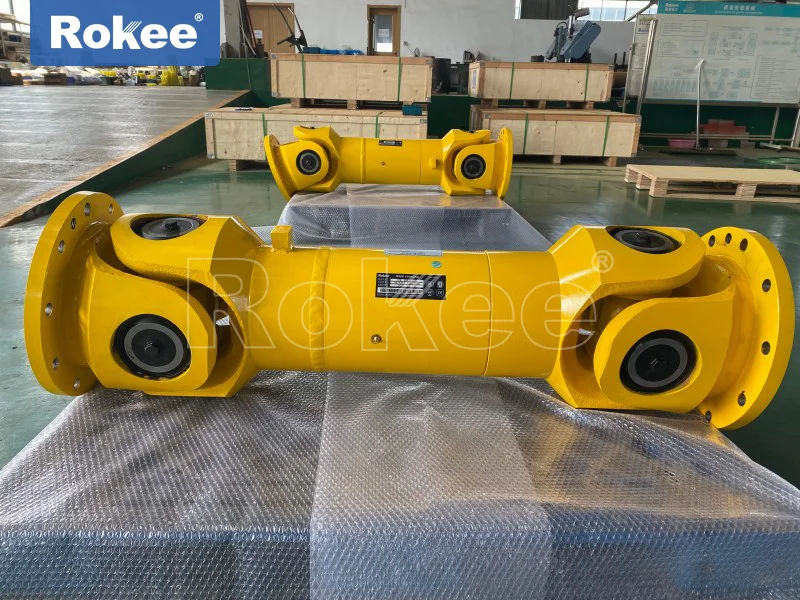
In the realm of mechanical power transmission, high torque universal shafts stand as indispensable components that bridge the gap between driving and driven shafts, enabling efficient torque transfer even when the shafts are misaligned axially, angularly, or radially. Unlike standard universal shafts engineered for light to moderate loads, high torque variants are purpose-built to withstand extreme rotational forces, harsh operating conditions, and prolonged heavy-duty use, making them foundational to countless industrial and mobile machinery systems. These shafts are not merely passive connectors but precision-engineered assemblies that balance strength, flexibility, and durability, with their design, performance, and classification tailored to address the unique demands of high-torque transmission scenarios.
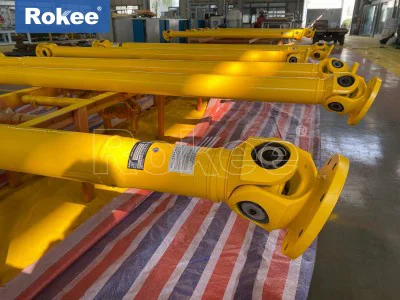
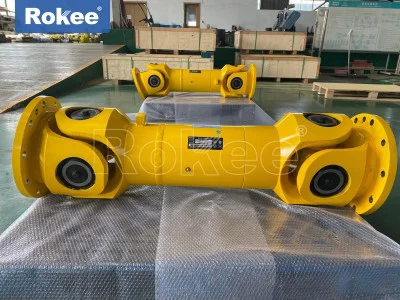
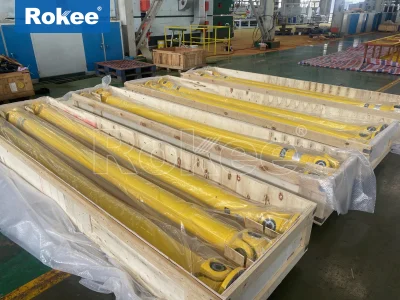
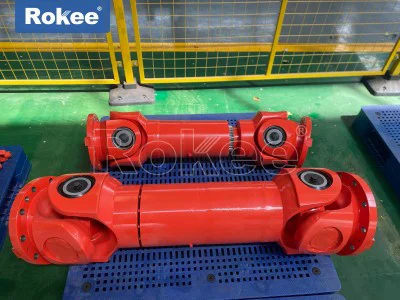
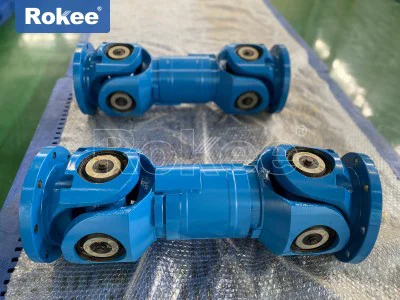
At its core, the structure of a high torque universal shaft is a meticulously crafted assembly of specialized components, each designed to distribute stress evenly and handle substantial torque without deformation or failure. The primary structural elements include universal joint bodies, cross assemblies, yokes, shaft tubes, telescopic sections, and connection flanges, all integrated to deliver both rigidity and angular flexibility. The universal joint, the heart of the assembly, typically features a robust cross-shaped core (spider) with precision-machined bearing journals, paired with needle roller bearings or sleeve bearings that reduce friction and enable smooth rotational movement between connected shafts. This bearing system is critical for high-torque applications, as it minimizes wear and heat generation during continuous operation, even under heavy loads and variable misalignment. The yokes, which connect the cross assembly to the shaft tubes, are forged or machined from high-strength alloy materials to resist bending and shear forces, with thickened walls and reinforced junctions to prevent cracking under extreme torque. The central shaft tube, often a seamless hollow or solid steel component, provides the primary torque-transmitting pathway, with its diameter and wall thickness calibrated to match the required torque capacity—larger diameters and thicker walls are standard for ultra-high-torque models to boost torsional stiffness. Many high torque universal shafts also incorporate telescopic splined sections, which allow for axial length adjustment during installation or operation, accommodating thermal expansion, mechanical vibration, or minor positional shifts between connected equipment. Connection flanges, located at both ends of the shaft, feature precision-drilled bolt holes and machined mating surfaces to ensure a secure, backlash-free connection to gearboxes, engines, drive axles, or other rotating components, eliminating power loss and ensuring consistent torque delivery.
Beyond structural integrity, the performance of high torque universal shafts is defined by a set of key metrics that dictate their suitability for specific operating environments, with torque capacity, misalignment tolerance, transmission efficiency, fatigue resistance, and operational stability standing out as the most critical. Torque capacity, the defining performance parameter, refers to the maximum rotational force the shaft can transmit continuously without permanent deformation or failure; high torque models are engineered to handle forces ranging from tens of thousands to millions of Newton-meters, making them capable of powering heavy industrial machinery and large mobile equipment. Misalignment tolerance is another vital performance trait, as these shafts must maintain reliable power transmission when driving and driven shafts are not perfectly aligned—angular misalignment (typically ranging from 10 to 25 degrees for standard high-torque models, with specialized variants accommodating up to 45 degrees), axial displacement, and radial offset are all managed seamlessly without compromising torque transfer. Transmission efficiency is equally important, as high torque universal shafts are designed to minimize power loss caused by friction, vibration, or backlash; premium bearing systems, precision machining, and balanced rotating components push efficiency levels above 95%, ensuring that nearly all input power is delivered to the driven equipment. Fatigue resistance is engineered to withstand cyclic loading, shock loads, and intermittent stress spikes common in heavy-duty operations, preventing material fatigue, cracking, or premature failure over years of use. Additionally, these shafts exhibit exceptional operational stability, running smoothly with minimal vibration and noise even at high rotational speeds and full torque loads, reducing wear on adjacent components and lowering overall maintenance requirements. Material selection plays a pivotal role in these performance characteristics, with high-grade alloy steels, hardened carbon steels, and heat-treated structural metals being the primary choices—these materials offer superior tensile strength, yield strength, and wear resistance, while also being malleable enough to withstand minor flexing without breaking.
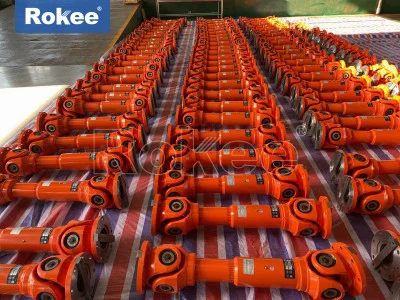
High torque universal shafts are categorized into distinct types based on structural design, joint configuration, load capacity, and functional features, with each classification tailored to address specific transmission challenges and operating conditions. The most common classification is based on joint type, which includes cross-and-roller universal shafts, ball cage universal shafts, double joint universal shafts, and flexible elastic universal shafts. Cross-and-roller universal shafts are the most widely used high-torque variant, featuring a classic cross spider with needle roller bearings; their simple, rugged design delivers exceptional torque capacity and durability, making them ideal for heavy industrial applications with moderate misalignment requirements. Ball cage universal shafts, also known as constant velocity (CV) universal shafts, utilize a spherical ball and cage assembly to maintain constant rotational speed between misaligned shafts, eliminating speed fluctuations and reducing vibration; these shafts offer smoother operation and higher angular misalignment tolerance, making them suitable for precision-driven high-torque systems such as automotive drivetrains and industrial automation equipment. Double joint universal shafts consist of two single universal joints connected in series via an intermediate shaft, which cancels out speed variations caused by angular misalignment and enables efficient torque transfer over longer distances; they are preferred for applications where significant misalignment and extended transmission length are required, such as large-scale manufacturing lines and marine propulsion systems. Flexible elastic universal shafts replace rigid metal cross components with elastic elements like rubber or polyurethane, adding shock absorption and vibration damping capabilities; while their torque capacity is slightly lower than rigid joint variants, they excel in applications with frequent shock loads and high vibration, protecting sensitive drive components from damage.
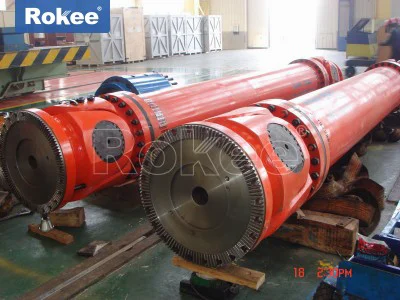
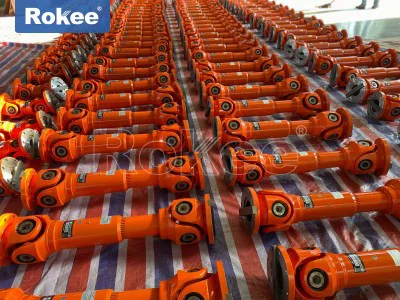
Another key classification is based on load capacity and application scale, dividing high torque universal shafts into heavy-duty, extra-heavy-duty, and specialized custom variants. Heavy-duty high torque universal shafts are designed for standard industrial and mobile equipment, handling moderate to high torque loads and operating in moderately harsh environments such as construction sites and general manufacturing facilities. Extra-heavy-duty models are engineered for extreme operating conditions, with reinforced structures, oversized bearings, and thicker shaft walls to transmit ultra-high torque in heavy industrial settings; these shafts are often custom-sized to fit large-scale machinery and can withstand extreme temperatures, dust, moisture, and corrosive substances. Custom high torque universal shafts are bespoke designs tailored to unique operational requirements, with modified dimensions, joint configurations, and material specifications to fit non-standard equipment layouts, specialized torque demands, or extreme environmental conditions—these are common in niche industrial sectors where off-the-shelf components cannot meet performance needs. Additionally, high torque universal shafts can be classified by structural features such as telescopic vs. fixed-length, welded vs. bolted connections, and single-axis vs. multi-axis flexibility, further expanding their versatility across different transmission setups. Telescopic shafts are preferred for applications with variable shaft spacing or thermal expansion, while fixed-length shafts offer maximum torsional rigidity for high-precision, high-torque systems; welded connections provide enhanced structural strength for extreme loads, while bolted connections allow for easier installation, maintenance, and replacement.
The versatility of high torque universal shafts is reflected in their extensive range of applications across nearly every heavy-duty industrial and mobile machinery sector, where reliable high-torque transmission is non-negotiable. In the automotive and transportation industry, these shafts are integral to rear-wheel drive, four-wheel drive, and heavy commercial vehicle drivetrains, transmitting torque from the transmission to the drive axles while accommodating suspension movement and wheel misalignment; they are also used in agricultural machinery such as tractors, harvesters, and tillers, powering implements and drivetrains that operate under heavy soil resistance and variable loads. In the industrial manufacturing sector, high torque universal shafts are foundational to metalworking machinery, including rolling mills, forging presses, and metal forming equipment, where they transmit extreme torque to shape and process raw metal materials under high pressure and temperature. They are also widely used in mining machinery, such as crushers, conveyors, and mining trucks, operating reliably in dusty, abrasive, and high-shock environments where standard transmission components would fail quickly. The construction industry relies on these shafts for heavy equipment like excavators, loaders, bulldozers, and tower cranes, enabling efficient power transfer to hydraulic systems, drivetrains, and lifting mechanisms that handle massive loads on uneven job sites.
Beyond these core sectors, high torque universal shafts find critical applications in marine engineering, power generation, pulp and paper manufacturing, and material handling systems. In marine propulsion systems, they connect ship engines to propeller shafts, accommodating hull movement and shaft misalignment while transmitting high torque to drive vessels through water; marine-grade variants feature corrosion-resistant materials to withstand saltwater exposure and humid marine environments. In power generation facilities, including thermal power plants and wind farms, these shafts are used in turbine drive systems, generator couplings, and auxiliary equipment, ensuring consistent torque transfer for reliable power production. The pulp and paper industry utilizes high torque universal shafts in large processing machinery such as paper machines, pulpers, and calenders, where continuous high-torque operation is required to process raw materials into finished products. Material handling systems, including heavy-duty conveyors, elevators, and packaging lines, also depend on these shafts to maintain smooth, uninterrupted power flow, even when handling heavy loads and operating around the clock. Additionally, specialized high torque universal shafts are used in aerospace ground support equipment, textile manufacturing machinery, and wastewater treatment systems, highlighting their adaptability to diverse high-torque transmission needs.
As industrial machinery continues to evolve toward higher power densities, heavier load capacities, and more compact designs, the role of high torque universal shafts becomes increasingly vital. Ongoing advancements in material science, precision manufacturing, and engineering design are further enhancing their performance, with innovations such as advanced alloy materials, optimized bearing geometries, and computer-aided balancing techniques boosting torque capacity, efficiency, and service life. Manufacturers are also focusing on lightweight yet durable designs to reduce rotational inertia and energy consumption without compromising strength, aligning with global trends toward sustainable and energy-efficient industrial operations. Despite their seemingly simple mechanical function, high torque universal shafts are a testament to precision engineering, blending structural robustness, flexible performance, and versatile design to solve the complex challenge of reliable high-torque power transmission. Whether operating in the harsh conditions of a mining quarry, the precise environment of a metal rolling mill, or the dynamic setting of a commercial vehicle drivetrain, these shafts remain a cornerstone of modern mechanical engineering, enabling the seamless operation of heavy machinery that drives global industry and infrastructure forward.
In summary, high torque universal shafts are multifaceted mechanical components whose structure, performance, classification, and applications are deeply intertwined with the demands of heavy-duty power transmission. Their robust structural design, engineered to handle extreme torque and misalignment, paired with exceptional performance metrics, ensures they can operate reliably in the most challenging environments. The diverse range of types allows for tailored solutions to fit every transmission scenario, from standard industrial setups to specialized custom applications, while their widespread use across key industries underscores their irreplaceable role in modern machinery. As technology advances and industrial requirements grow more stringent, high torque universal shafts will continue to evolve, maintaining their position as a critical link in the global chain of mechanical power transmission, supporting efficiency, reliability, and productivity across countless operational landscapes.