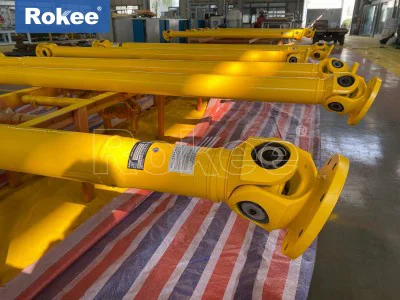
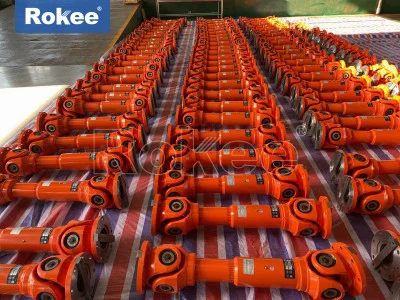
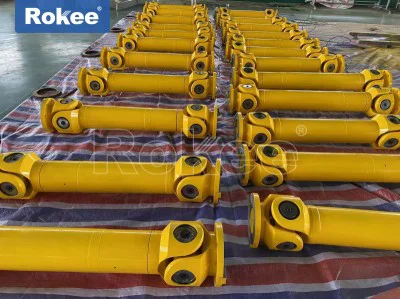
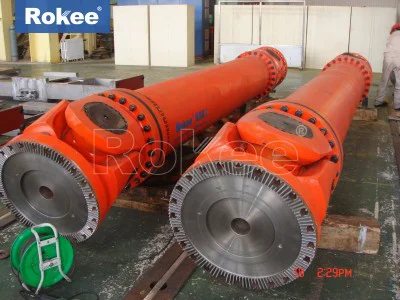
Internal Spline Universal Shaft Coupling
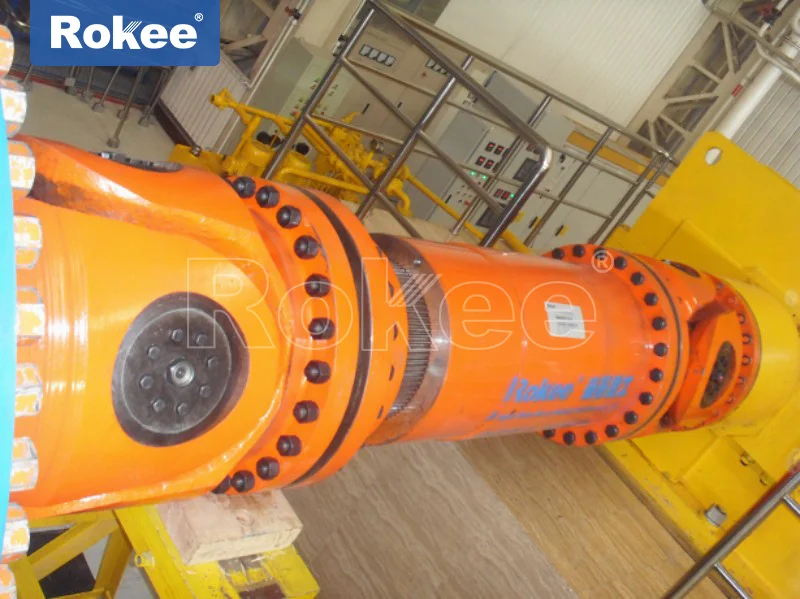
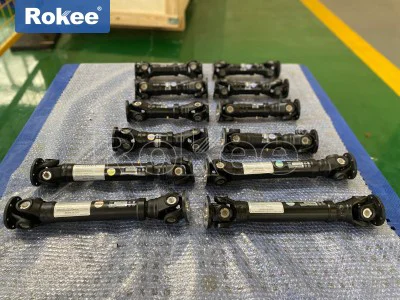
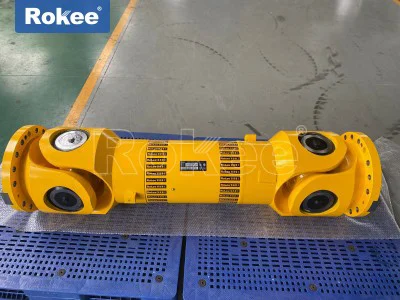
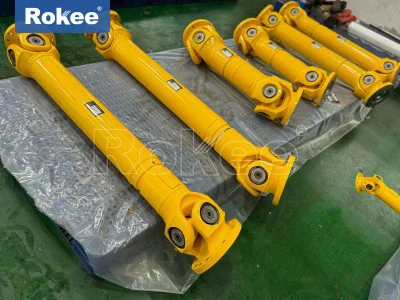
Internal spline universal shaft coupling is a precision mechanical component that combines spline connection and universal joint transmission. It is mainly used to connect transmission shafts of different axes and achieve efficient torque transmission. Its typical structure consists of three main parts: a cross axis universal joint, an internal spline sleeve, and a telescopic shaft. Cross axis universal joints are usually forged from high-strength alloy steel, and multi angle torque transmission is achieved through precision machined bearing seats and needle roller bearings; The internal spline sleeve undergoes heat treatment and grinding processing to form precise meshing with the matching external spline; The design of the expandable shaft allows for axial displacement compensation, with a common range of expansion and contraction of 50-200mm.
The cross axis structure provides angle compensation, while the spline pair achieves axial displacement compensation. When the driving shaft rotates, torque is transmitted to the driven shaft through the cross shaft, and the spline pair allows relative sliding between the shafts to adapt to axial displacement during equipment operation. The specially designed ball cage constant velocity universal joint can better maintain the instantaneous angular velocity consistency of the input and output shafts, making it particularly suitable for high-precision transmission applications.
By understanding the technical characteristics and application points of the internal spline universal joint coupling, users can accurately choose products that are suitable for their own working conditions, fully utilize its advantages of angle compensation and axial displacement absorption, extend the service life of the equipment, and improve the reliability of the transmission system.
In the complex landscape of mechanical power transmission, the internal spline universal shaft coupling stands as a critical and versatile component, quietly enabling the seamless operation of countless industrial and mechanical systems. This specialized coupling is engineered to address the inherent challenges of transmitting torque between two shafts that may not be perfectly aligned, while also accommodating axial, angular, and parallel misalignments that often occur in real-world applications. Unlike simple couplings that merely connect two shafts, the internal spline universal shaft coupling integrates the precision of spline connections with the flexibility of universal joints, resulting in a component that offers both high torque capacity and exceptional adaptability. Its design allows it to function reliably in harsh environments, under heavy loads, and at varying speeds, making it indispensable in a wide range of industries, from manufacturing and construction to aerospace and automotive engineering. To fully appreciate the value and functionality of this component, it is essential to delve into its design principles, structural components, material selection, manufacturing processes, applications, installation and maintenance requirements, and the evolving trends that continue to enhance its performance.
At its core, the internal spline universal shaft coupling is a hybrid component that combines two key mechanical elements: the internal spline connection and the universal joint. The internal spline, which gives the coupling its name, consists of a series of grooves or teeth machined on the inner surface of a cylindrical sleeve. These internal teeth mate with corresponding external teeth on a shaft, creating a secure and precise connection that allows for the transmission of high torque while also enabling axial movement between the connected components. This spline connection is distinct from other types of shaft connections, such as keyed shafts, because it distributes the torque load across multiple teeth, reducing stress concentration and minimizing wear on individual components. The universal joint, on the other hand, is a mechanical assembly that allows for angular misalignment between two shafts, enabling them to rotate freely even when their axes are not collinear. By integrating these two elements, the internal spline universal shaft coupling is able to transmit torque efficiently while accommodating the three main types of misalignment: axial (movement along the shaft axis), angular (difference in the angle of the two shafts), and parallel (offset between the two shaft axes). This combination of features makes it particularly well-suited for applications where shafts are subject to dynamic movements or where precise alignment is difficult to maintain.
The structural composition of an internal spline universal shaft coupling is carefully engineered to balance strength, flexibility, and precision. While the exact design may vary depending on the specific application requirements, most couplings consist of several key components: the internal spline sleeve, the external spline shaft, the universal joint assembly (which typically includes cross shafts, yokes, and bearings), and sealing elements. The internal spline sleeve is the outer component of the coupling, with internal teeth machined to precise dimensions to match the external teeth on the shaft. The internal spline can be designed with different tooth profiles, including involute, straight-sided, or serrated, each offering distinct advantages in terms of load capacity, alignment precision, and ease of manufacturing. Involute splines are the most commonly used profile due to their ability to distribute load evenly, accommodate slight misalignments, and provide smooth engagement between the teeth. The external spline shaft, which mates with the internal spline sleeve, is typically machined from a solid bar of high-strength material, with external teeth that are precisely ground or milled to ensure a tight fit with the internal spline.
The universal joint assembly is the heart of the coupling’s flexibility, allowing it to accommodate angular misalignment. This assembly usually consists of two yokes (one attached to the internal spline sleeve and the other to the driven shaft), a cross shaft that connects the two yokes, and bearings that allow the cross shaft to rotate freely within the yokes. The cross shaft is typically a four-armed component, with each arm fitting into a bearing housed in the yoke. The bearings are critical to the performance of the universal joint, as they reduce friction and wear during operation, ensuring smooth rotation even under heavy loads. Sealing elements, such as rubber or polyurethane seals, are also incorporated into the design to protect the internal components from contaminants such as dust, dirt, and moisture, which can cause premature wear and failure. These seals also help to retain lubricants, which are essential for reducing friction between moving parts and extending the service life of the coupling.
Material selection is a crucial factor in the performance and durability of internal spline universal shaft couplings, as the components must withstand high torque, heavy loads, varying speeds, and often harsh environmental conditions. The choice of material depends on several factors, including the application requirements, the operating environment, and the expected service life of the coupling. Common materials used for the internal spline sleeve and external spline shaft include high-strength steels, such as carbon steel, alloy steel, and stainless steel. Carbon steel is a cost-effective option for applications with moderate load requirements, offering good strength and machinability. Alloy steel, which contains additional elements such as chromium, nickel, and molybdenum, provides enhanced strength, hardness, and wear resistance, making it suitable for heavy-duty applications where high torque and durability are critical. Stainless steel is preferred for applications in corrosive environments, such as marine, chemical, or food processing industries, due to its excellent resistance to rust and chemical degradation.
The universal joint components, including the cross shaft and yokes, are also typically made from high-strength steels, often with additional heat treatments to improve their hardness and wear resistance. Heat treatment processes such as carburizing, quenching, and tempering are commonly used to enhance the mechanical properties of these components, ensuring they can withstand the high stresses and repeated movements associated with angular misalignment. Bearings used in the universal joint are usually made from hardened steel or ceramic materials, with ceramic bearings offering superior wear resistance and heat tolerance for high-speed applications. Sealing elements are typically made from elastomeric materials such as rubber or polyurethane, which provide excellent flexibility and resistance to environmental contaminants.
The manufacturing process of internal spline universal shaft couplings involves a series of precision machining and assembly steps, each critical to ensuring the final product meets the required performance standards. The process begins with material preparation, where the raw materials (typically steel bars) are cut to the appropriate length and inspected for defects such as cracks, inclusions, or surface imperfections. The next step is machining the internal spline sleeve, which involves creating the internal teeth using processes such as broaching, milling, or hobbing. Broaching is a common method for producing internal splines, as it allows for high precision and efficiency, creating smooth, uniform teeth with tight tolerances. Milling and hobbing are also used, particularly for larger or more complex spline profiles.
The external spline shaft is machined using similar processes, with the external teeth being ground or milled to match the internal spline of the sleeve. Precision grinding is often used to achieve the required tooth profile and surface finish, ensuring a tight fit between the spline components and minimizing backlash. The universal joint components are machined separately, with the cross shaft and yokes being forged or machined from solid steel, then heat-treated to enhance their strength and durability. The bearings are installed into the yokes, and the cross shaft is assembled to connect the two yokes, creating a flexible joint that allows for angular rotation. The final step is assembling the internal spline sleeve, external spline shaft, and universal joint assembly, along with the sealing elements and lubricants. Each assembled coupling undergoes rigorous testing to ensure it meets the required torque capacity, alignment tolerance, and durability standards. Testing may include torque testing, misalignment testing, and endurance testing, where the coupling is operated under simulated operating conditions for an extended period to evaluate its performance and service life.
The versatility of internal spline universal shaft couplings makes them suitable for a wide range of applications across numerous industries. In the manufacturing sector, they are commonly used in machinery such as conveyor systems, pumps, compressors, and gearboxes, where they transmit torque between misaligned shafts and accommodate the dynamic movements of the equipment. Conveyor systems, for example, often require couplings that can handle axial movement as the conveyor belt stretches or contracts, as well as angular misalignment caused by the installation of the drive system. Internal spline universal shaft couplings are also widely used in the automotive industry, particularly in drivetrains, where they connect the transmission to the drive shaft and accommodate the angular misalignment that occurs as the suspension moves. In heavy-duty vehicles such as trucks and buses, these couplings are designed to withstand high torque loads and harsh operating conditions, ensuring reliable performance even in extreme environments.
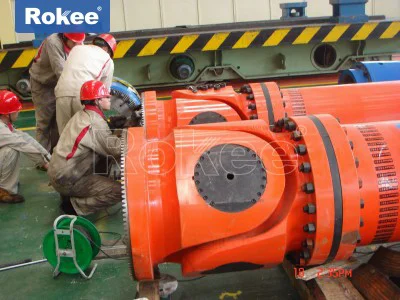
The construction industry relies heavily on internal spline universal shaft couplings for equipment such as cranes, excavators, and bulldozers. These machines often have large, heavy shafts that are subject to significant misalignment due to the dynamic nature of their operation, and the couplings must transmit high torque while accommodating these misalignments. For example, cranes use these couplings to connect the hydraulic motor to the winch, allowing for smooth and efficient lifting of heavy loads. In the aerospace industry, internal spline universal shaft couplings are used in aircraft engines and landing gear systems, where precision, reliability, and light weight are critical. These couplings are designed to withstand high speeds, extreme temperatures, and vibrations, ensuring the safe and efficient operation of the aircraft.
Other applications include marine systems, where couplings are used to connect the engine to the propeller, accommodating the misalignment caused by the movement of the hull; renewable energy systems such as wind turbines, where couplings transmit torque from the turbine to the generator while accommodating the angular misalignment caused by wind loads; and robotics, where precision couplings are used to connect motors to robotic arms, enabling precise movement and control. In each of these applications, the internal spline universal shaft coupling plays a vital role in ensuring the efficient and reliable transmission of power, reducing downtime and maintenance costs.
Proper installation and maintenance are essential to maximizing the performance and service life of internal spline universal shaft couplings. During installation, it is critical to ensure that the coupling is properly aligned with the connected shafts, as excessive misalignment can lead to increased friction, wear, and premature failure. While the coupling is designed to accommodate misalignment, operating beyond the recommended misalignment limits can cause damage to the bearings, spline teeth, and other components. The installation process typically involves cleaning the shaft surfaces to remove any dirt, oil, or debris, ensuring a tight and secure fit between the spline components. The coupling should be mounted such that the universal joint is centered between the two shafts, and the spline connection should be properly engaged to ensure full contact between the teeth.
Lubrication is another critical aspect of maintenance, as it reduces friction between the moving parts of the coupling, including the spline teeth and universal joint bearings. The type of lubricant used depends on the operating conditions, such as temperature, speed, and load. High-temperature lubricants are required for applications where the coupling operates at elevated temperatures, while heavy-duty lubricants are used for high-torque applications. The lubricant should be applied regularly according to the manufacturer’s recommendations, and the coupling should be inspected periodically to ensure that the lubricant is clean and free from contaminants. Seals should also be inspected regularly to ensure they are intact and functioning properly, as damaged seals can allow contaminants to enter the coupling and cause premature wear.
Regular inspection of the coupling is essential to detect any signs of wear or damage early, before they lead to catastrophic failure. Inspection should include checking the spline teeth for wear, chipping, or deformation; examining the universal joint bearings for signs of corrosion, wear, or play; and checking the yokes and cross shaft for cracks or damage. If any damage is detected, the affected components should be replaced immediately to prevent further damage to the coupling or the connected equipment. In addition, the coupling should be checked periodically for proper alignment, as misalignment can increase over time due to the movement of the equipment or wear of the mounting components.
The field of internal spline universal shaft couplings is constantly evolving, driven by advancements in materials, manufacturing technologies, and application requirements. One of the key trends in recent years is the development of lighter and more compact couplings, particularly for applications in the aerospace and automotive industries, where weight reduction is critical. This has led to the use of advanced materials such as composite materials and lightweight alloys, which offer high strength-to-weight ratios while maintaining the required performance characteristics. Composite materials, for example, are being used in some high-performance applications to reduce weight and improve corrosion resistance, while still providing the necessary torque capacity and flexibility.
Another trend is the integration of smart technologies into couplings, allowing for real-time monitoring of their performance. Sensors embedded in the coupling can measure parameters such as temperature, vibration, and torque, providing valuable data that can be used to predict maintenance needs and prevent unexpected failures. This predictive maintenance approach helps to reduce downtime and maintenance costs, improving the overall efficiency of the equipment. Advancements in manufacturing technologies, such as additive manufacturing (3D printing), are also impacting the production of internal spline universal shaft couplings. Additive manufacturing allows for the production of complex geometries that are difficult or impossible to achieve with traditional machining methods, enabling the design of couplings that are optimized for specific applications. This technology also reduces material waste and shortens production times, making it a cost-effective option for small-batch or custom couplings.
In addition, there is a growing focus on improving the efficiency of power transmission, with manufacturers developing couplings that minimize energy loss due to friction and misalignment. This includes the use of advanced bearing technologies, such as self-lubricating bearings, and the optimization of spline profiles to reduce backlash and improve torque transmission efficiency. As industries continue to evolve and demand higher performance from their equipment, the internal spline universal shaft coupling will continue to adapt and improve, remaining a critical component in mechanical power transmission systems.
In conclusion, the internal spline universal shaft coupling is a highly versatile and essential component in modern mechanical systems, offering a unique combination of torque transmission capacity and flexibility to accommodate misalignments. Its design, which integrates internal spline connections with universal joints, makes it suitable for a wide range of applications across industries such as manufacturing, automotive, construction, aerospace, and marine. The careful selection of materials, precision manufacturing processes, and proper installation and maintenance are critical to ensuring the coupling’s performance and durability. As technology continues to advance, the internal spline universal shaft coupling will evolve to meet the changing needs of industries, incorporating lighter materials, smart monitoring systems, and advanced manufacturing techniques to deliver even higher levels of efficiency and reliability. Whether in heavy-duty industrial machinery or precision aerospace systems, this coupling plays a vital role in enabling the seamless and efficient transmission of power, making it an indispensable part of the modern mechanical landscape.