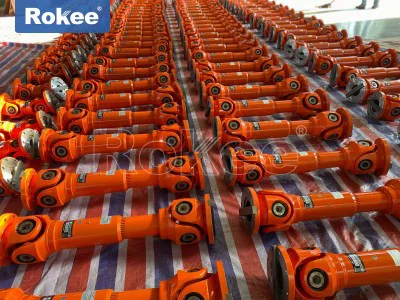
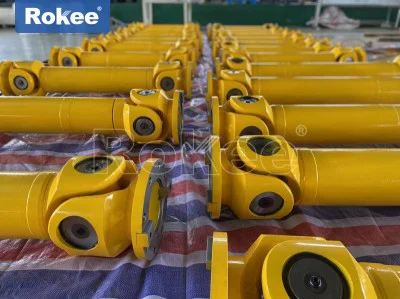
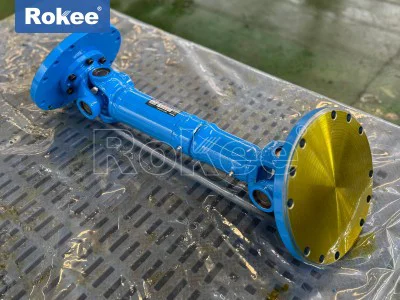
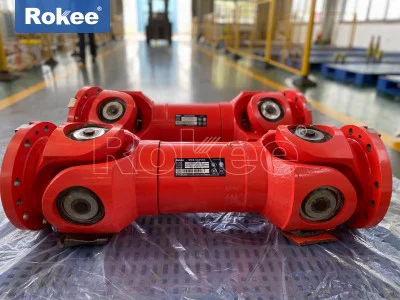
Integrated Commissioning Experience Of Universal Coupling And PIR Sandwich Panel Production Line
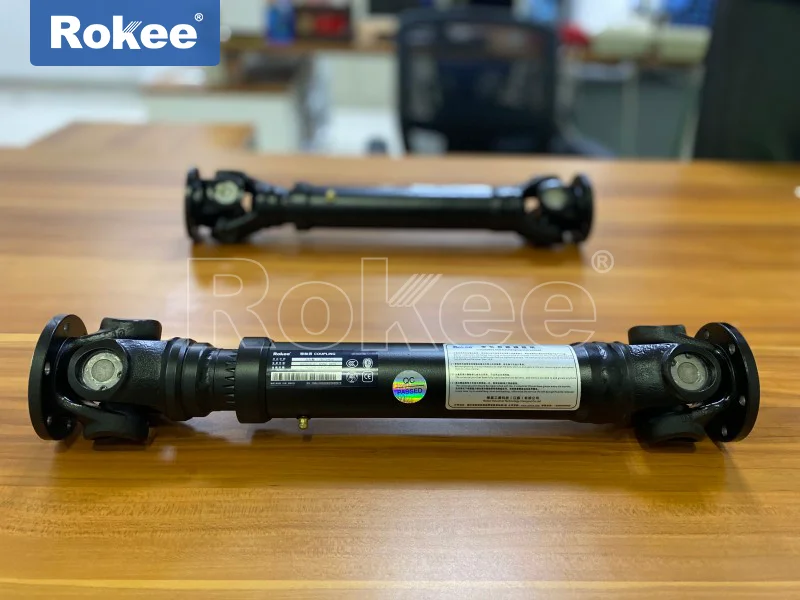
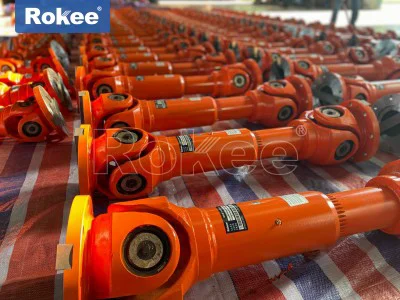
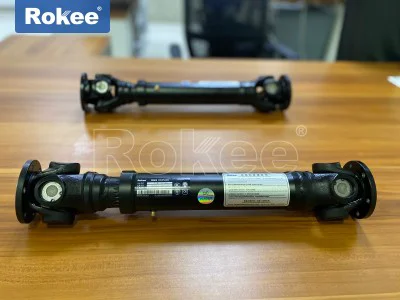
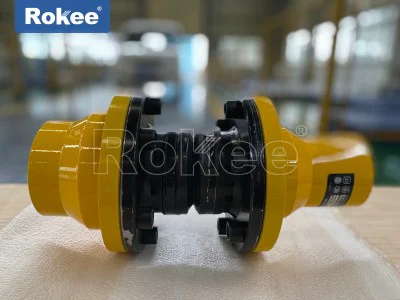
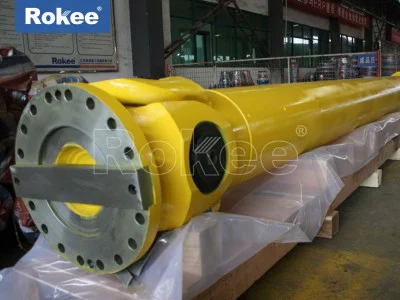
The integrated commissioning of universal coupling and PIR sandwich panel production line stands as a core and systematic engineering work that determines the long-term stable operation, continuous production efficiency and finished product forming quality of the entire thermal insulation panel manufacturing system. PIR sandwich panels, as high-efficiency thermal insulation and structural composite materials, are widely applied in building enclosure engineering, cold chain storage facilities, industrial factory construction and special temperature-controlled space construction, and their production processes involve continuous material unwinding, surface layer leveling, high-pressure foaming composite, continuous rolling forming, fixed-length cutting and finished product conveying and stacking, with each production link closely connected and mutually restricted in mechanical transmission and process parameter coordination. The universal coupling, serving as a key mechanical transmission connecting component in the core power transmission and linkage drive part of the entire production line, undertakes the important task of transmitting rotational torque between adjacent driving equipment, adjusting minor installation deviation between driving shafts and driven shafts, and maintaining synchronous operating speed of each production station. The integrated commissioning work focuses on breaking the isolated debugging mode of single equipment and single component in the traditional production line construction process, taking the matching coordination between universal coupling transmission performance and the overall operational rhythm of PIR sandwich panel production line as the core starting point, and carrying out systematic inspection, parameter calibration, running-in test, linkage optimization and stable operation verification covering mechanical structure, transmission system, electrical control and process matching, so as to eliminate potential hidden dangers of equipment operation, optimize the dynamic matching relationship between transmission components and production process equipment, and lay a solid foundation for the production line to achieve continuous, stable and high-quality batch production of sandwich panels.
Before the formal start of integrated commissioning, the preliminary preparation work covering on-site environment inspection, equipment installation acceptance, component pre-inspection and commissioning plan docking needs to be completed in an all-round and detailed manner, which is the basic prerequisite to ensure the smooth progress of subsequent integrated commissioning work and avoid commissioning risks and equipment abnormal wear. For the on-site commissioning environment of the PIR sandwich panel production line, it is necessary to first check the flatness and bearing capacity of the equipment installation foundation, confirm that there is no uneven settlement and surface cracks in the foundation area of key transmission equipment and main production hosts, and clean up all sundries, installation waste and irrelevant tools around the production line transmission area and universal coupling installation position, so as to prevent foreign matters from entering the transmission operation gap or affecting the normal operation of mechanical moving parts during commissioning. At the same time, the basic layout of the production line shall be sorted out, the spacing alignment of each production station from the material unwinding section to the finished product stacking section shall be confirmed, and the preliminary correction of the horizontal and vertical installation position of each single machine shall be completed, ensuring that the basic installation position deviation of all driving and driven equipment connected by universal couplings is controlled within a reasonable small range, reducing the excessive compensation pressure of universal couplings in the subsequent torque transmission process, and avoiding additional mechanical fatigue caused by long-term deviation operation of the coupling. In terms of equipment installation acceptance, it is necessary to conduct comprehensive appearance and structural inspection on all mechanical equipment, electrical control cabinets, transmission pipelines and auxiliary supporting facilities of the production line, focus on checking the fastening condition of all connecting bolts of the main frame of the production equipment, the tightness of the transmission bearing assembly and the flexibility of the rotating parts, and eliminate the hidden dangers of loose connectors and inflexible rotation of rotating components before commissioning. For the universal couplings to be installed and matched, special pre-inspection shall be carried out one by one, including checking the surface integrity of the coupling spindle and fork head structure, confirming that there is no mechanical deformation, surface wear and structural damage caused by transportation and handling, inspecting the assembly flexibility of the internal rotating and connecting parts of the coupling, ensuring that the coupling can freely rotate and adjust the angle within the designed range without jamming and abnormal resistance, and checking the lubrication state of the coupling friction and transmission parts, supplementing suitable lubricating media according to the actual operating working conditions, reducing friction and wear in the subsequent running-in and formal operation process, and extending the service life of the transmission component.
After the completion of all preliminary preparation and pre-inspection work, the integrated commissioning work officially enters the single-machine no-load commissioning stage, which is the primary key link to verify the independent operation performance of single equipment and the basic transmission matching performance of a single universal coupling, and also the transition foundation for subsequent multi-equipment linkage commissioning and full-line integrated commissioning. The core purpose of single-machine no-load commissioning is to independently start each single production equipment of the PIR sandwich panel production line under the condition of no raw material feeding and no production load operation, inspect the independent operating state of the equipment itself, and verify whether the universal coupling connected to the single equipment can stably transmit torque and adapt to the basic operating frequency of the equipment without abnormal vibration, noise and transmission jitter. In the specific commissioning process, the commissioning personnel operate the electrical control system to start each driving device one by one from the front-end material unwinding equipment of the production line to the back-end finished product conveying equipment, control each device to run at low speed first, and gradually increase the operating speed to the rated no-load operating speed after the equipment operates stably. During the operation of each single equipment, professional personnel are arranged to observe the operating state of the matched universal coupling in real time, focus on monitoring whether there is obvious radial and axial vibration during the rotation of the coupling, whether there is abnormal impact noise and friction sound in the transmission process, and whether there is relative displacement and loose rotation between the coupling and the driving and driven shaft connecting parts. Once abnormal operating conditions are found, the equipment shall be shut down for maintenance in time, the installation position of the coupling shall be fine-tuned, the fastening degree of the connecting parts shall be rechecked and reinforced, and the commissioning can be continued only after the equipment returns to normal stable operation. In addition to the mechanical operation state inspection, in the single-machine no-load commissioning stage, it is also necessary to calibrate the basic operating parameters of each single equipment, including the operating speed, rotation direction and start-stop response time of the driving motor, ensure that the operating parameters of each single equipment meet the basic process design requirements of PIR sandwich panel production, and lay a foundation for the subsequent synchronous speed matching of the whole production line. Through single-machine no-load commissioning, the independent operation faults of single equipment and the basic matching problems of single universal coupling transmission can be effectively eliminated, ensuring that each independent equipment and its supporting transmission components have good basic operating performance, and avoiding the superposition of multiple single equipment faults leading to the failure of subsequent linkage commissioning.
On the basis of qualified single-machine no-load commissioning, the integrated commissioning work proceeds to the key stage of multi-equipment linkage no-load commissioning, which focuses on verifying the synchronous coordination operation performance between adjacent equipment and the adaptive transmission performance of universal couplings in the multi-equipment linkage state, and is the core transition link from single equipment independent operation to full-line integrated coordinated operation. The production process of PIR sandwich panels has obvious continuous and synchronous characteristics, and the operating speed of each production station must maintain a precise synchronous matching relationship. If the transmission between adjacent equipment is not smooth and the speed synchronization is deviated, it will directly lead to material tension and deviation in the production process, uneven foaming composite thickness of sandwich panels, and even production line shutdown and equipment collision and damage. The universal couplings, as the key connecting transmission components between adjacent linkage equipment, need to adapt to the minor dynamic speed fluctuation and position deviation of each equipment during linkage operation, and maintain stable and consistent torque transmission and speed synchronization. In the multi-equipment linkage no-load commissioning process, the commissioning personnel start multiple adjacent production equipment in groups according to the production process sequence of the sandwich panel production line, realize the linkage operation of the equipment combination from the material unwinding section to the rolling forming section, and then to the cutting and conveying section, gradually expand the scope of linkage equipment, and finally realize the no-load linkage operation of all equipment in the whole production line. During the linkage operation, the key monitoring content focuses on the synchronous speed matching degree between linkage equipment and the dynamic operation state of all universal couplings in the transmission link. The professional commissioning team records the real-time operating speed data of each driving shaft and driven shaft connected by the couplings, compares the speed difference data between adjacent equipment, fine-tunes the operating parameters of the driving motor and the installation angle of the universal couplings according to the actual deviation, eliminates the speed asynchronous problem caused by transmission deviation, and ensures that the speed error of each production link is controlled within a tiny range required by the process. At the same time, during the long-time continuous no-load linkage operation of the production line, the temperature change of the universal coupling friction parts and the stability of the transmission structure shall be regularly inspected, to avoid equipment failure caused by heating and abrasion of the coupling due to long-term high-strength linkage transmission. Through repeated linkage debugging and parameter optimization, the dynamic matching relationship between all transmission couplings and linkage equipment is continuously adjusted, so that the whole production line can maintain stable synchronous operation under no-load conditions, and the transmission system has good adaptive adjustment capacity and anti-interference performance.
After the completion of no-load commissioning of the whole production line, the integrated commissioning enters the core practical stage of on-load trial production commissioning, which combines the mechanical transmission performance of universal couplings, the linkage coordination performance of the production line and the actual production process requirements of PIR sandwich panels, and is the final key commissioning link to verify whether the production line can meet formal production conditions. Different from no-load commissioning, on-load trial production commissioning adds raw material feeding, foaming composite processing, rolling forming and cutting operation links, and the production line is in actual load operation state, with obvious changes in transmission torque, equipment operating resistance and process parameter fluctuation, which puts higher requirements on the load-bearing transmission performance and stability of universal couplings. In the initial stage of on-load commissioning, slow-speed low-load trial production shall be carried out first, a small amount of raw materials shall be fed into the production line in a controlled manner, the production line shall be operated at a reduced speed, and the operation state of the universal couplings under initial load and the forming quality of preliminary sandwich panel products shall be observed in real time. During the operation, it is necessary to focus on checking whether the universal couplings have obvious torque overload, abnormal vibration and shaft body deflection under load operation, whether the transmission connection parts are loose or displaced due to load increase, and whether the synchronous coordination of each production link is affected by load transmission fluctuation. For the slight product forming quality problems such as uneven surface flatness and inconsistent local thickness of preliminary trial-produced sandwich panels caused by minor transmission speed deviation, the transmission matching parameters of universal couplings and the operating speed coordination parameters of each equipment shall be fine-tuned in real time according to the actual product quality feedback, so that the mechanical transmission rhythm of the production line is completely adapted to the foaming and forming process rhythm of PIR sandwich panels. After the stable operation of low-load trial production, the feeding amount and operating speed of the production line are gradually increased to the rated production load and rated operating speed, and long-time continuous on-load trial production operation is carried out to simulate the actual long-term production working conditions. In the continuous on-load operation process, the commissioning team regularly records the operation data of the transmission system, the temperature change of the universal couplings, the fluctuation range of equipment operating parameters and the stability of finished product quality, continuously optimizes the transmission compensation angle and running-in state of the couplings, eliminates various potential unstable factors in the load operation process, and ensures that the universal couplings can maintain stable and efficient torque transmission under long-term high-load operation, and the whole production line can maintain consistent and reliable production rhythm and stable finished product quality.
In the later stage of integrated commissioning, systematic commissioning summary, hidden danger rectification and operation parameter solidification work are essential, which can consolidate the commissioning effect of the universal coupling and the PIR sandwich panel production line, form standardized operation and maintenance experience, and provide guarantee for the long-term stable and efficient operation of the production line in the later formal production stage. After all no-load and on-load commissioning work is completed and the production line operates stably and the product quality meets the production requirements, the commissioning personnel shall sort out all commissioning data recorded in the whole process, including single-machine no-load operation parameters, linkage synchronous debugging data, universal coupling operation temperature and vibration data, on-load trial production process parameters and product quality detection data, and comprehensively analyze the problems encountered in the commissioning process and the corresponding rectification and optimization measures. For the minor hidden dangers and potential unstable problems found in the commissioning process that do not affect the temporary production operation, special rectification plans shall be formulated, and targeted maintenance and optimization shall be completed within the interval of production commissioning, to avoid small problems evolving into large equipment failures affecting continuous production in the later operation process. At the same time, according to the optimal operating parameters obtained from integrated commissioning, the electrical control system program and mechanical transmission matching parameters of the production line are solidified, so that the production line can always maintain the best transmission coordination and production operation state in the subsequent formal production process. In addition, based on the actual commissioning practice, summarize the daily maintenance points of universal couplings in the PIR sandwich panel production line, including regular lubrication cycle, regular fastening inspection cycle, vibration and temperature daily detection standards, and daily maintenance operation specifications, so that the production and maintenance personnel can carry out standardized daily management on the key transmission components, maintain the long-term good transmission performance of the universal couplings, and reduce the failure rate of transmission system equipment in the later production process. The integrated commissioning work is not only a simple equipment debugging and parameter calibration work, but also a systematic optimization process combining mechanical transmission characteristics and production process requirements. Only by taking the overall situation of the production line as the starting point, focusing on the core matching relationship between key transmission components and production equipment, and carrying out detailed and standardized phased commissioning and continuous optimization, can the PIR sandwich panel production line give full play to its production efficiency, ensure the stable improvement of finished product quality, and create stable production benefits for the long-term operation of the production line.