Jaw Couplings
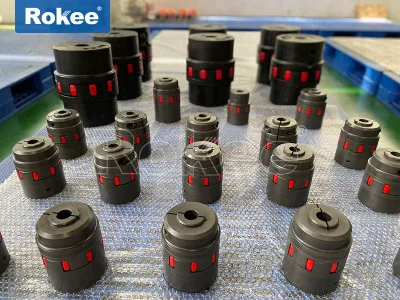
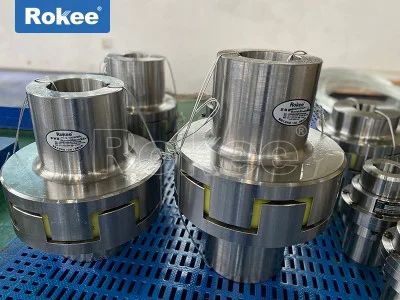
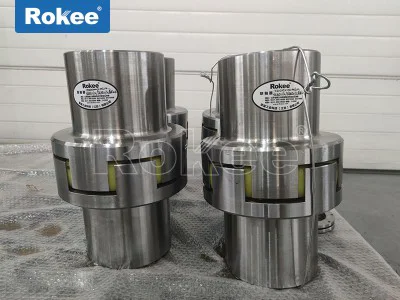
Jaw Coupling is a common flexible coupling, named after its structural characteristics. This type of coupling transmits torque through the mutual engagement of two metal or elastic "claws" and is widely used in various mechanical transmission systems. Compared with traditional rigid couplings, Jaw Couplings have better buffering and vibration reduction performance, and can compensate for a certain degree of axial, radial, and angular deviations.
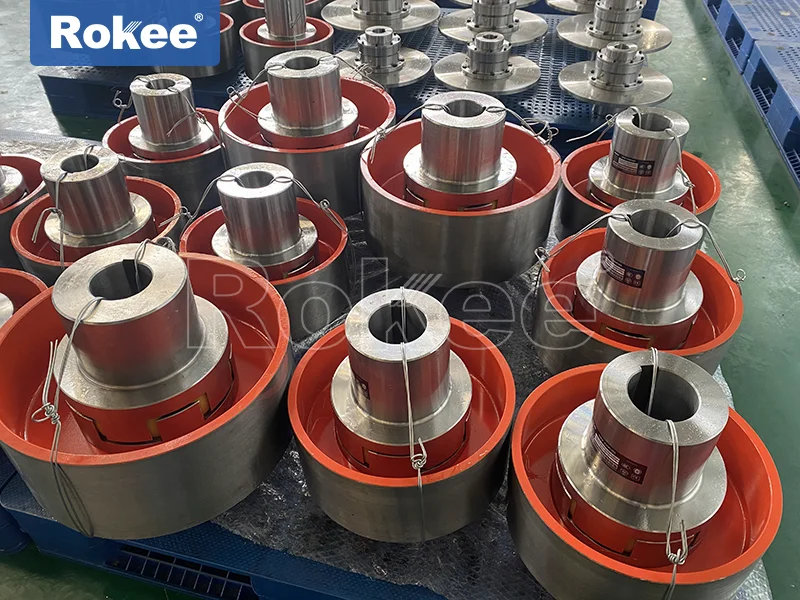
A typical Jaw Coupling consists of three core components:
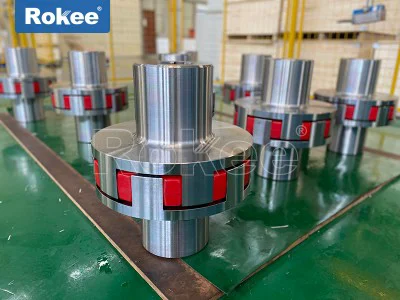
Two metal wheels: usually made of aluminum alloy, steel, or stainless steel, installed on the drive shaft and driven shaft respectively
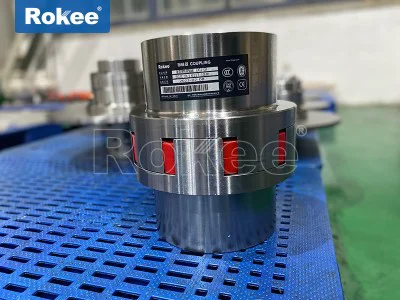
An elastic star shaped component: made of polyurethane, Hytrel or other elastic materials, located between two wheel hubs
Tightening bolt: used to fix the wheel hub on the shaft
The "claws" of Jaw Couplings usually exhibit the following characteristics:
Interlocking protrusions (usually 6-12)
Accurately designed meshing angle (usually 30-60 degrees)
Optimized tooth profile to reduce stress concentration
Surface treatment to improve wear resistance
Different components use different materials to meet performance requirements:
Wheel hub materials: aluminum alloy (light load), steel (heavy load), stainless steel (corrosive environment)
Elastic materials: polyurethane (universal), Hytrel (high temperature), natural rubber (high elasticity)
Special coating: galvanized, nickel plated or PTFE coating for special environments
The working principle of Jaw Coupling is based on the combination of elastic deformation and friction force:
The driving wheel hub compresses the elastic star shaped component through its claw shaped structure
Elastic deformation transfers force to the claws of the driven hub
Friction and elastic restoring force work together to achieve torque transmission
Advantages:
Good vibration reduction and absorption capability
Compensate for angular deviation of 0.5-3 ° and radial deviation of 0.1-0.5mm
No lubrication requirement, simple maintenance
Overload protection function (elastic body can slip)
Easy to install, no need for special tools
Limitations:
Relatively limited torque transmission
Heat accumulation may occur during high-speed operation
Elasticity has aging issues
Not suitable for situations that require precise phase maintenance
Correct installation steps
Clean the contact surface between the shaft and coupling
Check the fit tolerance between the shaft and coupling (usually H7/js6)
Use specialized tools for installation to avoid hammering
Tighten the fastening bolts evenly (in diagonal order)
Check the alignment situation (it is recommended to use a laser alignment device)
Common installation errors
Excessive tightening causes deformation of the elastic body
No, it's beyond the allowed range
Using inappropriate lubricants
Ignore the influence of environmental temperature
Maintenance Recommendations
Regularly check the condition of the elastomer (every 6 months)
Monitor operating temperature (should not exceed the temperature resistance limit of the elastomer)
Check the torque of the fastening bolts (every 12 months)
Record vibration data to predict replacement cycles
Industrial application field
General Machinery Manufacturing
Pump equipment: centrifugal pumps, gear pumps, etc
Fan system: industrial fans, ventilation equipment
Conveyor machinery: conveyor belt, elevatorAutomated equipment
Servo motor connection
Robot Joint Transmission
CNC machine tool auxiliary transmissionSpecial industrial fields
Food processing machinery (compliant with hygiene standards)
Pharmaceutical equipment (no pollution requirement)
Ship auxiliary system (corrosion-resistant design)
Jaw Couplings as an important component in the field of mechanical transmission, continue to play a crucial role in industrial applications due to their simple structure and reliable performance. With the advancement of materials science and manufacturing technology, Jaw Couplings will demonstrate their value in more emerging fields in the future.
In the field of mechanical power transmission, jaw couplings stand out as a versatile and reliable type of flexible coupling, widely adopted across various industrial sectors due to their unique structural design, balanced performance characteristics, and broad adaptability. Unlike rigid couplings that require precise alignment and offer no flexibility, jaw couplings integrate the advantages of torque transmission efficiency and moderate compensation capacity, making them an essential connecting component in systems where vibration damping, misalignment accommodation, and reliable power transfer are critical requirements.
The basic structure of a jaw coupling is relatively simple yet ingeniously designed to fulfill its core functions, typically consisting of three main components: two metallic hubs and an elastomeric insert commonly referred to as a "spider" due to its star-like shape. These three components work in tandem to transmit torque, absorb vibrations, and compensate for shaft misalignments, ensuring smooth and efficient operation of the connected machinery. The metallic hubs are the primary torque-bearing elements, usually fabricated from high-quality materials such as alloy steel, stainless steel, aluminum alloy, or ductile iron, depending on the application requirements for torque capacity, corrosion resistance, and weight. Each hub features a central bore at one end, which is precision-machined to fit the shafts of the driving and driven equipment, with options for keyway, clamping, or spline designs to ensure a secure and slip-free connection. The other end of each hub is equipped with evenly spaced protruding jaws, typically ranging from 3 to 8 in number, which interlock with the lobes of the elastomeric spider. The spacing and profile of these jaws are carefully engineered to maximize contact with the spider, ensuring efficient torque transmission while minimizing stress concentrations.
The elastomeric spider is the heart of the jaw coupling, responsible for providing flexibility, vibration damping, and misalignment compensation. It is positioned between the two metallic hubs, with its lobes fitting snugly into the gaps between the jaws of each hub, creating a compression-based torque transmission mechanism. The material selection for the spider is crucial, as it directly influences the coupling’s performance, service life, and suitability for specific environments. Common materials used for the elastomeric insert include polyurethane, nitrile rubber (NBR), Hytrel, and occasionally oil-impregnated bronze for applications requiring higher torque capacity at the cost of some flexibility. Polyurethane is a popular choice due to its excellent balance of hardness, wear resistance, and chemical resistance, making it suitable for general-purpose applications. Nitrile rubber offers superior oil and grease resistance, ideal for use in hydraulic or lubrication-rich environments, while Hytrel provides enhanced temperature resistance and fatigue strength, suitable for high-speed or harsh operating conditions. The spider may also feature different designs, such as solid center, open center, or flexible radial designs, each tailored to specific installation or performance needs—for example, open center spiders allow for minimal shaft separation during maintenance, while solid center designs prevent direct contact between the two shafts.
In addition to the three core components, some jaw couplings may include optional features such as protective covers to shield the internal structure from dust, debris, or environmental contaminants, and connecting bolts to apply pre-tension force and secure the two hubs together. These optional components enhance the durability and reliability of the coupling, particularly in harsh industrial environments where exposure to external elements could accelerate wear and tear. The overall structural design of jaw couplings is compact and lightweight, allowing for easy installation and maintenance without the need for complex tools or extensive downtime. Unlike some other types of couplings that require regular lubrication, most jaw couplings are maintenance-free, as the elastomeric spider eliminates the need for oil or grease, reducing operational costs and simplifying upkeep.
The performance of jaw couplings is defined by a set of key parameters that determine their suitability for different applications, including torque capacity, misalignment compensation, vibration damping, operating temperature range, speed limit, and fail-safe operation. Torque capacity is one of the most critical performance indicators, referring to the maximum amount of torque that the coupling can transmit without failure. This parameter varies widely depending on the size of the coupling, the material of the hubs and spider, and the design of the jaws and lobes. Jaw couplings are available in a range of torque capacities, from a few newton-meters for small, precision applications to several thousand newton-meters for heavy-duty industrial systems, making them suitable for both light and heavy power transmission requirements.
Misalignment compensation is another essential performance characteristic of jaw couplings, as it allows the coupling to accommodate small amounts of axial, radial, and angular misalignment between the driving and driven shafts. Such misalignments are common in mechanical systems due to factors such as installation errors, thermal expansion, shaft deflection, or component wear, and failure to compensate for them can lead to increased stress on bearings, seals, and other components, reducing their service life and causing system downtime. Jaw couplings typically compensate for axial misalignment in the range of ±0.4 to 3 millimeters, radial misalignment from 0.2 to 1.5 millimeters, and angular misalignment up to 1 to 3 degrees, depending on the coupling size and spider material. The elastomeric spider plays a key role in this process, as its elastic deformation allows it to absorb the misalignment without transferring excessive stress to the connected shafts and components.
Vibration damping is a vital performance feature that sets jaw couplings apart from rigid couplings. In mechanical systems, vibrations generated by motors, pumps, compressors, or other rotating equipment can cause noise, reduce component precision, and lead to premature failure. The elastomeric spider in jaw couplings acts as a cushion, absorbing and dampening these vibrations through elastic deformation, thereby reducing the transmission of vibration to the rest of the system. This not only improves the overall stability and performance of the machinery but also enhances operator comfort by reducing noise levels. The effectiveness of vibration damping depends on the hardness and material of the spider—softer spiders offer better damping capabilities but lower torque capacity, while harder spiders provide higher torque capacity but reduced damping.
The operating temperature range of a jaw coupling is determined primarily by the material of the elastomeric spider, as different elastomers have varying resistance to high and low temperatures. Most standard jaw couplings can operate within a temperature range of -40°C to +120°C, making them suitable for most industrial environments. However, specialized spiders made from high-temperature-resistant materials can extend this range to higher temperatures, while low-temperature-resistant materials can accommodate applications in cold environments, such as outdoor or refrigeration systems. It is important to select a coupling with an operating temperature range that matches the specific environment to ensure optimal performance and prevent premature spider failure.
Speed limit is another key performance parameter, referring to the maximum rotational speed at which the coupling can operate safely without excessive vibration, noise, or failure. This parameter is influenced by the size and balance of the hubs, the material of the components, and the design of the jaws and spider. Jaw couplings are typically suitable for operating speeds ranging from a few hundred revolutions per minute (RPM) to several thousand RPM, with high-precision, balanced designs capable of handling even higher speeds for applications such as servo motors or machine vision systems. Proper balancing of the coupling is essential to prevent excessive vibration at high speeds, which can damage the coupling and connected components.
One of the most notable performance features of jaw couplings is their fail-safe operation. In the event that the elastomeric spider fails due to wear, overloading, temperature extremes, or chemical exposure, the jaws of the two metallic hubs will interlock with each other, similar to the teeth of two gears, allowing the coupling to continue transmitting torque temporarily. This fail-safe design is critical in applications where sudden system shutdown could result in significant damage, loss of production, or safety hazards, as it provides operators with time to perform maintenance or shut down the system safely. However, it is important to note that fail-safe operation is only temporary, and the damaged spider should be replaced as soon as possible to restore the coupling’s vibration damping and misalignment compensation capabilities.
Jaw couplings are available in a variety of types, each designed to meet specific application requirements based on factors such as torque capacity, misalignment needs, installation space, operating environment, and precision requirements. The most common types include standard straight jaw couplings, curved jaw couplings, flange-type jaw couplings, sleeve-type jaw couplings, brake wheel-type jaw couplings, and zero-backlash jaw couplings. Each type has unique design features that make it suitable for particular industrial scenarios.
Standard straight jaw couplings are the most basic and widely used type, featuring a symmetrical design with two identical metallic hubs and a straight-tooth elastomeric spider. This type of coupling offers a good balance of torque capacity, misalignment compensation, and vibration damping, making it suitable for general-purpose applications in industries such as general machinery, pumps, fans, and conveyors. The straight jaw design is simple to manufacture, cost-effective, and easy to install, making it an ideal choice for small to medium power transmission systems. However, it has limited misalignment compensation capabilities compared to other types, making it less suitable for applications with significant shaft misalignment.
Curved jaw couplings are a modified version of the standard straight jaw type, featuring curved jaws on the metallic hubs and a corresponding curved-lobe spider. The curved design allows for greater angular misalignment compensation and smoother torque transmission, as the curved surfaces reduce stress concentrations and allow for more gradual contact between the jaws and the spider. This type of coupling also offers higher torque capacity than straight jaw couplings, making it suitable for heavy-duty applications such as compressors, mixers, and industrial machinery with higher torque requirements. Additionally, the curved design provides better vibration damping, making it ideal for applications where noise reduction is important.
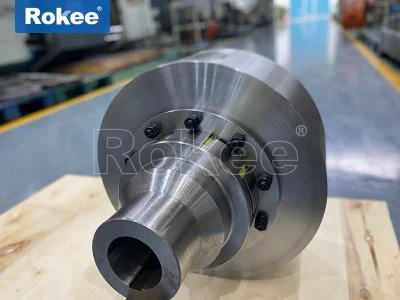
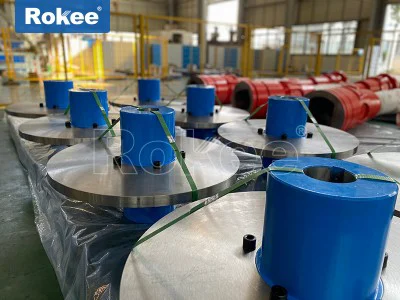
Flange-type jaw couplings are designed for applications where one or both shafts require a flange connection, such as in pumps, motors, or gearboxes where direct shaft-to-shaft connection is not feasible. This type of coupling features one or two flanged hubs, which are bolted to the flanges of the connected equipment, providing a secure and rigid connection while maintaining the flexibility and vibration damping capabilities of standard jaw couplings. Flange-type jaw couplings are available in both straight and curved jaw designs, making them suitable for a wide range of applications, including those with limited installation space or specific mounting requirements.
Sleeve-type jaw couplings, also known as extended sleeve jaw couplings, feature hubs with extended sleeves that provide additional length for shaft engagement. This design is particularly useful for applications where the shafts are spaced apart or where additional support is needed to prevent shaft deflection. The extended sleeve also simplifies installation and alignment, as it provides a longer contact area between the coupling and the shafts. Sleeve-type jaw couplings are commonly used in conveyor systems, elevators, and other equipment where shaft spacing is a consideration.
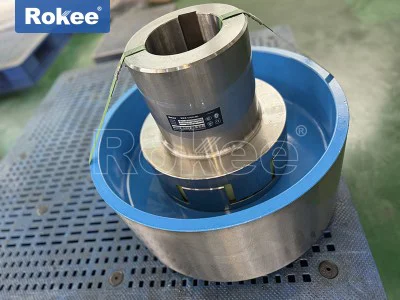
Brake wheel-type jaw couplings integrate a brake wheel into one of the metallic hubs, combining the functions of a jaw coupling and a brake system. This type of coupling is ideal for applications where braking is required, such as in cranes, hoists, conveyors, and other equipment that needs to stop or hold loads securely. Brake wheel-type jaw couplings are available in split or integral brake wheel designs—split designs allow for easy installation and maintenance without the need to disassemble the entire coupling, while integral designs offer greater strength and durability for heavy-duty applications.
Zero-backlash jaw couplings are specialized designs that minimize or eliminate backlash, making them suitable for precision applications such as servo motor systems, robotics, machine vision systems, and CNC machinery. Backlash, or the clearance between the jaws and the spider, can cause positioning errors in precision systems, reducing accuracy and performance. Zero-backlash jaw couplings achieve this by using a stiff elastomeric spider or a precision-machined design that ensures tight contact between the jaws and the spider, eliminating any clearance. These couplings also offer high torsional stiffness, making them ideal for applications with high acceleration and deceleration curves, where precise torque transmission and positioning are critical. Zero-backlash jaw couplings are often used in automated equipment, medical devices, and semiconductor manufacturing, where precision and reliability are paramount.
The versatility of jaw couplings is reflected in their extensive range of applications across various industrial sectors, where they play a critical role in ensuring the reliable and efficient operation of mechanical systems. One of the most common application areas is general machinery manufacturing, where jaw couplings are used to connect motors, pumps, fans, compressors, mixers, and conveyors. In these applications, the coupling’s ability to transmit torque efficiently, absorb vibrations, and compensate for misalignments helps to extend the service life of the equipment and reduce downtime. For example, in pump systems, jaw couplings connect the motor to the pump shaft, compensating for any misalignment between the two components and absorbing vibrations generated by the pump, which reduces stress on the pump bearings and seals.
Automotive and transportation industries also utilize jaw couplings in various applications, such as steering columns, drive shafts, and powertrain systems. In these applications, the coupling’s vibration damping capabilities help to reduce noise and improve ride comfort, while its misalignment compensation ensures smooth power transmission even under dynamic conditions. Jaw couplings used in automotive applications are typically designed to withstand high temperatures, vibrations, and dynamic loads, making them suitable for the harsh operating environment of vehicles.
Robotics and automation systems rely heavily on jaw couplings, particularly zero-backlash designs, to ensure precise positioning and synchronization of motor-driven components. In robotic arms, for example, jaw couplings connect the servo motors to the joints, transmitting torque accurately while absorbing any vibrations that could affect the robot’s precision. The compact and lightweight design of jaw couplings is also beneficial for robotics applications, where space is often limited. Similarly, in automated packaging equipment, conveyor systems, and CNC machinery, jaw couplings ensure reliable power transmission and precise motion control, improving the efficiency and accuracy of the production process.
The food processing and pharmaceutical industries also utilize jaw couplings, particularly those made from stainless steel or other corrosion-resistant materials, to meet hygiene and cleanliness requirements. In these industries, the coupling must be easy to clean and resistant to food particles, chemicals, and moisture. Jaw couplings with stainless steel hubs and food-grade elastomeric spiders are ideal for these applications, as they prevent contamination and ensure compliance with industry standards. Additionally, the vibration damping capabilities of jaw couplings help to reduce noise in food processing facilities, creating a more comfortable working environment.
Renewable energy applications, such as wind turbines and solar trackers, also benefit from the use of jaw couplings. In wind turbines, jaw couplings connect the generator to the gearbox, transmitting torque efficiently while compensating for misalignments caused by wind gusts and thermal expansion. The coupling’s fail-safe design is particularly important in wind energy applications, where sudden system shutdown could result in significant losses. In solar trackers, jaw couplings connect the motors to the tracking mechanism, ensuring precise movement of the solar panels to maximize energy absorption.
Marine and offshore industries use jaw couplings in various auxiliary systems, such as pumps, compressors, and ventilation equipment. These couplings are designed to withstand the harsh marine environment, including high humidity, saltwater corrosion, and extreme temperatures. Stainless steel or corrosion-resistant alloy hubs, combined with oil-resistant elastomeric spiders, are commonly used in marine applications to ensure durability and reliability.
Medical equipment, such as imaging systems, patient positioning devices, and pharmaceutical processing equipment, also utilizes jaw couplings for precise power transmission and vibration damping. In imaging systems, for example, zero-backlash jaw couplings ensure that the motor-driven components move with high precision, reducing image distortion and improving diagnostic accuracy. The compact design of jaw couplings is also beneficial for medical equipment, where space is often limited.
In summary, jaw couplings are a versatile and reliable type of flexible coupling that plays a critical role in modern mechanical power transmission systems. Their simple yet effective structure, balanced performance characteristics, diverse types, and extensive applications make them an essential component across a wide range of industrial sectors. From general machinery and automotive systems to robotics, renewable energy, and medical equipment, jaw couplings provide efficient torque transmission, vibration damping, and misalignment compensation, ensuring the smooth and reliable operation of connected machinery. As materials science and manufacturing technology continue to advance, jaw couplings are expected to become even more versatile, with improved performance characteristics and expanded applications in emerging industries. Their ability to balance simplicity, reliability, and cost-effectiveness makes them a preferred choice for engineers and designers seeking a flexible coupling solution that can meet the diverse needs of modern industrial systems.