Cross Joint Shafts
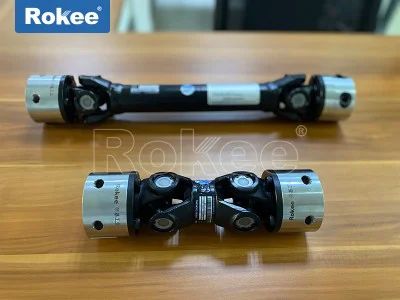
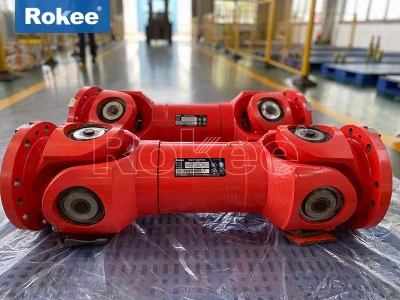
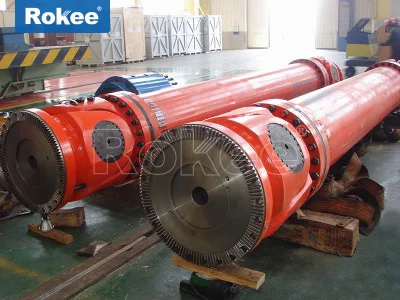
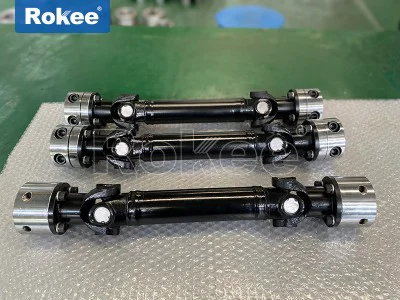
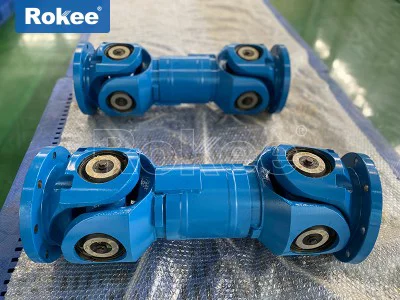
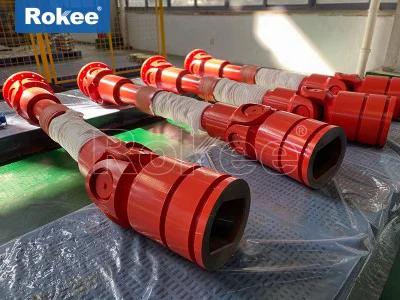
The cross joint shaft is the core component of the universal joint transmission system, consisting of two mutually perpendicular shaft necks forming a cross shaped structure. Its core function is to achieve power transmission of angle changes between two axes, especially in scenarios that require flexible connections (such as automotive transmission systems), which can compensate for axial deviation, reduce vibration and wear.
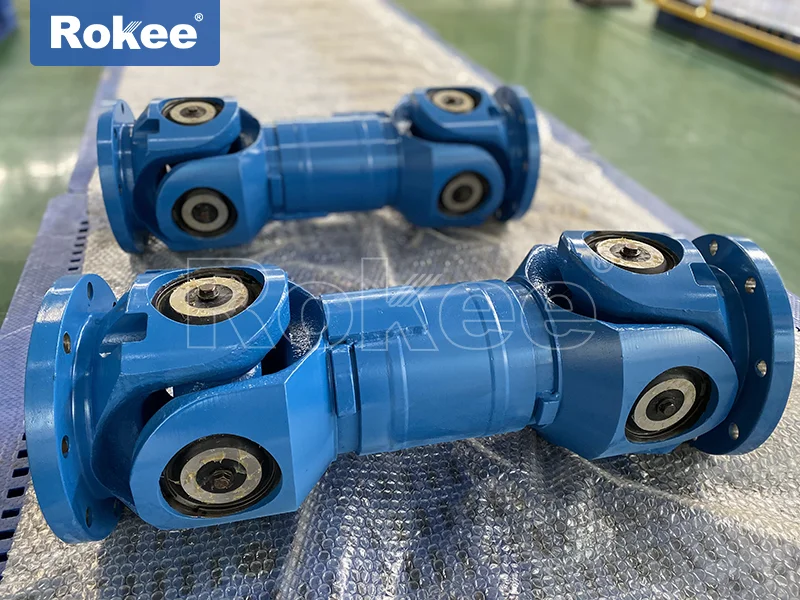
Typical applications include
Automotive drive system: connects the gearbox and drive axle to adapt to bumps and steering during vehicle operation.
Industrial machinery: used in scenarios such as machine tools and engineering equipment that require non-linear transmission.
Technical characteristics and manufacturing processes
Material selection: High strength alloy steel (such as 20CrMnTi) is the mainstream material, which needs to undergo carburizing and quenching treatment to improve surface hardness and wear resistance while maintaining core toughness.
Precision machining: The cylindricity error of the shaft neck needs to be controlled at the micrometer level, and the installation accuracy of the needle roller bearing directly affects the service life. Some high-end products use grinding technology instead of turning to further reduce friction losses.
Lubrication design: Modern cross joint shafts often use sealed lubrication structures with built-in high-temperature grease, and some models are equipped with maintenance free designs to extend replacement cycles.
In the realm of mechanical power transmission, the cross joint shaft, also widely referred to as a universal joint shaft or Cardan shaft, stands as one of the most fundamental and indispensable components. It serves as a critical bridge for transferring rotational torque and motion between two shafts that are not perfectly aligned, whether due to angular misalignment, axial displacement, or radial offset—challenges that are commonplace in nearly every industrial and mechanical system. Unlike rigid shaft couplings that demand precise coaxial alignment to function effectively, the cross joint shaft is engineered to accommodate these inherent misalignments while maintaining consistent power delivery, making it a cornerstone of modern mechanical design across countless sectors.
At its core, the cross joint shaft operates on the principle of the Hooke’s joint, a mechanical linkage that enables rotational movement between non-collinear shafts. The basic structural composition of a standard cross joint shaft is elegantly simple yet highly robust, consisting of three primary interconnected elements: two yoke assemblies (also known as fork joints), a central cross-shaped shaft (commonly called a spider), and a set of precision bearing systems. The yoke assemblies are attached to the driving and driven shafts respectively, either via flanged connections, splined fittings, or welded joints, depending on the intended load capacity and installation requirements. The cross-shaped spider sits at the heart of the assembly, with four orthogonal journals that fit into corresponding bearing housings within the yokes. This orthogonal arrangement allows the yokes to pivot freely relative to one another, creating a flexible joint that can adjust to angular shifts between the input and output shafts without disrupting torque transmission.
The bearing systems integrated into the cross joint shaft are pivotal to its overall performance, as they minimize friction between the rotating spider journals and the stationary yoke housings, reduce wear and tear, and enhance operational efficiency. Most industrial-grade cross joint shafts utilize needle roller bearings for this purpose, thanks to their high load-bearing capacity, compact design, and ability to withstand both radial and thrust loads. These bearings are precision-machined to fit tightly around the spider journals, ensuring smooth articulation even under heavy torque loads. In many heavy-duty variants, additional sealing mechanisms are incorporated to prevent the ingress of dust, moisture, and contaminants, while also retaining lubricants within the bearing assembly—this is vital for prolonging service life and maintaining consistent performance in harsh operating conditions. The cross-shaped spider itself is typically forged from high-strength alloy steel, subjected to specialized heat treatments such as carburizing and quenching to boost hardness, wear resistance, and fatigue strength, as it bears the brunt of torsional stress, bending stress, and contact pressure during operation.
One of the defining performance features of the cross joint shaft is its exceptional angular misalignment compensation capability. Standard off-the-shelf models can comfortably accommodate angular offsets ranging from 5 degrees to 45 degrees between the driving and driven shafts, with specialized heavy-duty designs capable of handling even greater angles when paired with appropriate supporting structures. This flexibility addresses a host of practical challenges in mechanical systems, including installation inaccuracies, thermal expansion and contraction of shaft components, structural deformation under heavy loads, and dynamic movement in mobile machinery. Beyond angular compensation, many cross joint shafts are engineered to handle limited axial displacement as well, often through integrated splined telescopic sections that allow the shaft to lengthen or shorten slightly while maintaining torque transfer. This dual ability to compensate for both angular and axial misalignment eliminates the need for overly precise installation and reduces stress on adjacent components such as gearboxes, motors, and driven machinery, thereby lowering the risk of premature failure and improving overall system durability.
In terms of torque transmission performance, cross joint shafts exhibit remarkable versatility, catering to an extremely broad spectrum of load requirements—from lightweight, low-torque applications in small-scale precision equipment to heavy-duty, high-torque operations in large industrial machinery. The torque transmission capacity is directly influenced by the physical dimensions of the cross spider, the material strength of the yokes and spider, the quality of the bearing components, and the overall structural rigidity of the assembly. Light-duty cross joint shafts are designed for low-power systems, delivering smooth, quiet operation with minimal friction losses, making them ideal for precision instruments, small conveyor systems, and light automotive accessories. Medium-duty variants strike a balance between load capacity and flexibility, suited for general industrial machinery such as pumps, fans, and compressors where consistent torque delivery and moderate misalignment compensation are needed. Heavy-duty and extra-heavy-duty cross joint shafts are built with reinforced structures, thicker yokes, larger cross spiders, and heavy-duty bearings to handle extreme torque loads, often measured in thousands of Newton-meters, making them indispensable for heavy industrial processes and large-scale mobile equipment.
Transmission efficiency is another key performance metric for cross joint shafts, and these components typically boast high efficiency ratings, often exceeding 95% in well-maintained systems. Friction losses are minimized by the precision needle roller bearings and smooth articulation of the cross spider, with only minor energy losses occurring due to lubrication drag and minor mechanical play. Unlike some more complex constant-velocity joints, standard cross joint shafts do have a slight non-uniformity in rotational velocity when operating at significant angles, meaning the output shaft rotates at a slightly variable speed relative to the input shaft during each revolution. While this minor velocity fluctuation is negligible in most heavy industrial applications, it is a consideration for high-precision systems requiring uniform rotational motion; however, this trade-off is widely accepted given the cross joint shaft’s superior load capacity, durability, and cost-effectiveness compared to more complex joint designs.
Cross joint shafts are categorized into distinct varieties based on multiple criteria, including structural design, load capacity, operational functionality, and application-specific requirements, each tailored to address unique operational needs. The most common classification is based on structural configuration, which divides cross joint shafts into single joint shafts, double joint shafts, and telescopic joint shafts. Single cross joint shafts feature a single cross spider and two yokes, representing the simplest and most compact design. They are best suited for applications with relatively small angular misalignments and short transmission distances, offering ease of installation and minimal maintenance. While they excel in light to medium-duty scenarios, their ability to compensate for larger misalignments is limited, making them less suitable for systems with significant shaft offset or dynamic movement.
Double cross joint shafts, also known as double Cardan shafts, incorporate two separate single cross joint assemblies linked by an intermediate shaft or centering yoke. This dual-joint design effectively cancels out the minor velocity fluctuations inherent in single joints, delivering more uniform rotational motion even at moderate to large operating angles. This enhanced smoothness makes double cross joint shafts ideal for applications where consistent speed delivery is critical, such as automotive drive systems, precision manufacturing equipment, and high-speed rotating machinery. Additionally, the double joint structure increases overall load capacity and extends the effective transmission distance, allowing for greater flexibility in system layout and design. The intermediate shaft can be customized in length to fit specific spatial constraints, further boosting the versatility of this variant.
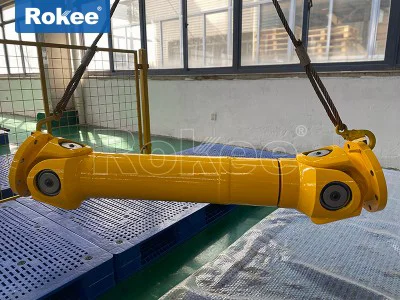
Telescopic cross joint shafts feature a splined telescopic section integrated into the shaft assembly, enabling adjustable length to compensate for axial displacement between the driving and driven components. This design is particularly valuable in systems where shaft distance varies during operation, such as mobile machinery, agricultural equipment, and industrial conveyors with dynamic movement. The splined mechanism maintains a solid torque connection even as the shaft length changes, eliminating the risk of disengagement or excessive stress caused by axial shifting. Some telescopic models also combine the benefits of double joint design, offering both axial adjustability and smooth, constant-speed rotation for maximum operational flexibility.
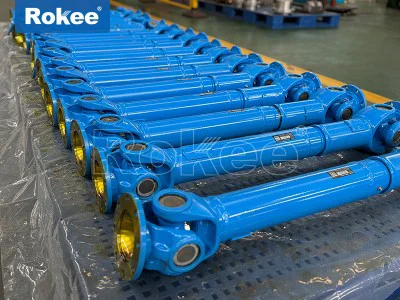
Cross joint shafts can also be classified by load-bearing capacity, separating them into light-duty, medium-duty, heavy-duty, and extra-heavy-duty grades. Light-duty cross joint shafts are constructed with smaller cross spiders, thinner yokes, and compact bearings, optimized for low-torque, high-speed applications with minimal environmental stress. They are lightweight and cost-effective, making them a popular choice for small mechanical devices, office equipment, and light industrial tools. Medium-duty shafts are engineered with enhanced material strength and structural rigidity, capable of handling moderate torque loads and harsher operating conditions, fitting seamlessly into general manufacturing equipment, material handling systems, and automotive auxiliary components. Heavy-duty variants feature forged, reinforced components, oversized bearings, and robust sealing, built to withstand extreme torque, shock loads, and harsh environments such as high dust, moisture, or vibration. Extra-heavy-duty cross joint shafts are custom-engineered for the most demanding industrial applications, with ultra-strong alloy steel construction, specialized heat treatment, and heavy-duty lubrication systems to endure continuous heavy loads and extreme operational stress over long service lives.
The adaptability and reliable performance of cross joint shafts have led to their widespread adoption across an extensive range of industries and mechanical systems, with each sector leveraging the unique strengths of different shaft varieties to meet specific operational demands. In the automotive and transportation sector, cross joint shafts are integral components of drive train systems, connecting the gearbox to the differential in rear-wheel-drive and four-wheel-drive vehicles. They accommodate the vertical movement of the rear axle and changes in drive angle during suspension travel, ensuring smooth power delivery to the wheels even as the vehicle navigates uneven terrain. Double cross joint shafts are commonly used here to minimize vibration and ensure stable driving performance, while lightweight designs help reduce overall vehicle weight and improve fuel efficiency. In commercial vehicles such as trucks and buses, heavy-duty cross joint shafts handle the higher torque loads generated by larger engines, providing durability and reliability for long-haul transportation.
The agricultural industry relies heavily on cross joint shafts for a wide array of farming machinery, including tractors, harvesters, plows, and balers. Agricultural equipment operates in rugged, outdoor environments with significant shaft misalignment and dynamic movement, making the angular and axial compensation capabilities of cross joint shafts indispensable. Telescopic and heavy-duty variants are particularly prevalent here, as they can adjust to the shifting positions of agricultural implements and withstand the shock loads of working in rough fields. These shafts transfer power from the tractor’s engine to various attachments, ensuring efficient operation even in dusty, muddy, and high-vibration conditions, and their robust construction resists wear and damage from agricultural debris.
In heavy industrial sectors such as metallurgy, mining, and construction, cross joint shafts are workhorse components that power critical machinery. Rolling mills, crushing equipment, excavators, cranes, and conveyor systems all depend on heavy-duty and extra-heavy-duty cross joint shafts to transmit massive torque loads while compensating for extreme misalignment caused by heavy loads and structural deformation. In steel mills, for example, these shafts endure continuous high-torque operation and extreme temperatures, maintaining reliable performance to keep production lines running smoothly. Construction machinery such as excavators and bulldozers uses cross joint shafts to transfer power between the engine and hydraulic systems or track drives, adapting to the constant movement and vibration of heavy-duty operation. Mining equipment relies on these shafts for their durability in abrasive, high-stress underground environments, where downtime due to component failure is extremely costly.
The marine and shipbuilding industry also utilizes specialized cross joint shafts for propulsion systems, auxiliary machinery, and deck equipment. Marine-grade cross joint shafts are designed with corrosion-resistant materials and enhanced sealing to withstand saltwater exposure, high humidity, and marine contaminants. They connect marine engines to propeller shafts, accommodating the slight movements and misalignments that occur in ship hulls during navigation, and provide reliable power transmission for auxiliary systems such as pumps, winches, and steering mechanisms. Their ability to operate efficiently in harsh marine environments makes them a vital component of ship design and operation.
Beyond these core industries, cross joint shafts find application in aerospace support equipment, material handling systems, packaging machinery, textile equipment, and power generation systems. In power generation, they connect turbines, generators, and auxiliary motors, compensating for thermal expansion and misalignment in stationary power systems. In packaging and textile machinery, light and medium-duty cross joint shafts deliver precise, smooth motion for high-speed production lines, ensuring consistent operation and minimizing downtime. Even in small-scale precision equipment, compact cross joint shafts enable flexible power transmission where rigid couplings are impractical, highlighting the universal utility of this component across the entire mechanical engineering landscape.
Selecting the appropriate cross joint shaft for a specific application requires careful consideration of several key factors to ensure optimal performance and longevity. First and foremost is the torque requirement, including both continuous operating torque and peak shock loads, as under-sizing the shaft can lead to premature failure and over-sizing increases unnecessary weight and cost. The operating speed of the system is another critical factor, as higher rotational speeds demand better balance and precision machining to avoid vibration and wear. The degree of angular, axial, and radial misalignment between the shafts must be accurately measured to choose a shaft with sufficient compensation capacity, while environmental conditions such as temperature, moisture, dust, and corrosive substances dictate the need for specialized materials, sealing, and lubrication. Installation space constraints also play a role, as compact layouts may require shorter, more compact shaft designs, while longer transmission distances may necessitate double joint or telescopic variants.
Proper maintenance is equally important to preserve the structural performance and extend the service life of cross joint shafts. Regular lubrication of the bearing assemblies is essential to reduce friction and prevent premature wear, with lubrication schedules tailored to the operating environment and load intensity—heavier loads and harsher conditions require more frequent lubrication. Routine inspections for signs of wear, damage, or contamination, such as excessive play, unusual noise, or vibration, can catch potential issues early and prevent catastrophic failure. Replacing worn bearings and seals in a timely manner ensures the shaft continues to operate smoothly and maintains its misalignment compensation capabilities. While cross joint shafts are designed for durability, neglecting maintenance can significantly reduce their performance and lifespan, even in the most robust heavy-duty models.
In summary, the cross joint shaft remains an irreplaceable component in mechanical power transmission, celebrated for its simple yet robust structure, exceptional misalignment compensation capabilities, wide torque range, and unparalleled versatility. Its diverse varieties, ranging from compact light-duty single joints to heavy-duty telescopic double joints, ensure there is a suitable design for nearly every mechanical application, from small precision devices to massive industrial machinery. As mechanical engineering continues to evolve and systems become more complex and demanding, the cross joint shaft will continue to adapt, with advancements in material science, bearing technology, and manufacturing processes further enhancing its performance, durability, and efficiency. Its enduring presence across countless industries is a testament to its practical value, proving that even the most fundamental mechanical components can play a pivotal role in powering the modern world, delivering reliable power transmission where it matters most.