Cardan Shaft Exporter
In the intricate ecosystem of modern mechanical transmission systems, cardan shafts stand out as indispensable mechanical components that facilitate flexible torque transmission between disjointed and misaligned rotating shafts. As global industrial integration deepens and cross-border mechanical equipment trade expands continuously, professional cardan shaft exporters play a pivotal role in connecting upstream manufacturing resources with downstream industrial demand across international markets. These exporters focus on the research, production, and distribution of versatile transmission shafts, dedicating themselves to delivering well-crafted mechanical parts that adapt to diverse complex working conditions for global industrial clients. The inherent structural advantages and wide application scope of cardan shafts have solidified their irreplaceable status in heavy industry, transportation, and mechanical manufacturing sectors, making the global export trade of such components a stable and vital segment within the international mechanical parts industry.
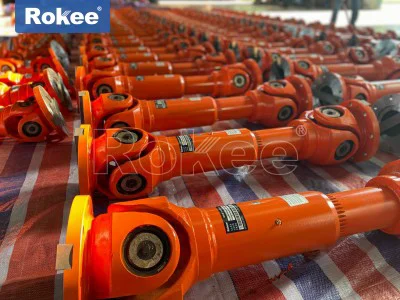
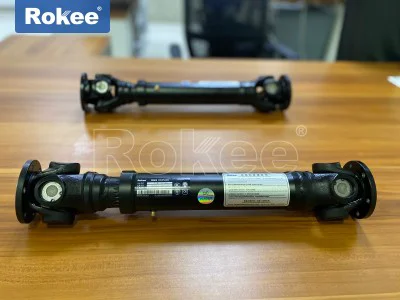
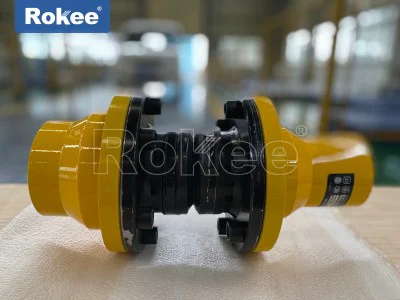
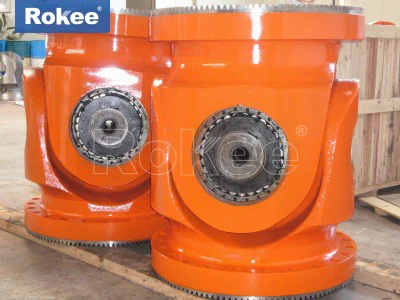
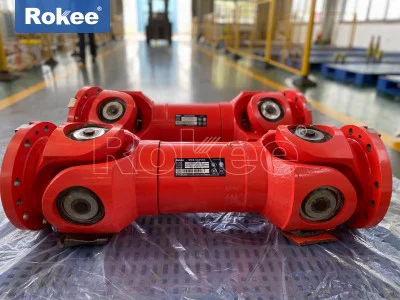
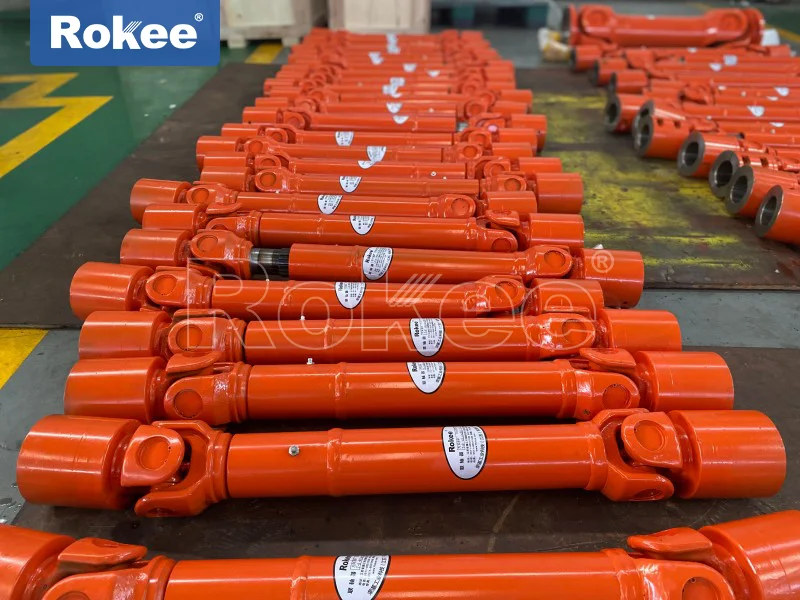
A thorough comprehension of the fundamental mechanical structure and working principles of cardan shafts serves as the foundation for recognizing their industrial value and the rationality of global export circulation. A complete cardan shaft assembly mainly consists of universal joints, intermediate shaft tubes, telescopic components, and connecting flanges, with each part cooperating closely to realize stable power transmission. The core functional unit lies in the cross-shaped universal joint, which connects two yoke structures to enable angular deflection between the driving shaft and the driven shaft. When mechanical power is input from one end, the cross shaft transmits rotational motion and torque evenly to the other end of the shaft body. Even if the two connected shafts form a certain deflection angle or produce spatial displacement during equipment operation, the cardan shaft can maintain continuous and efficient power transmission without causing excessive mechanical resistance or power loss. The telescopic structure embedded in the shaft body further optimizes the environmental adaptability of the component, automatically adjusting the axial distance between connected equipment to offset position changes generated by mechanical vibration, thermal expansion, or equipment movement during long-term operation. This unique mechanical design distinguishes cardan shafts from rigid transmission shafts, granting them outstanding flexibility in complex operating environments.
Material selection and sophisticated manufacturing processes determine the durability and operational stability of cardan shafts, which are also the core technical advantages that reliable exporters emphasize in global market competition. High-strength alloy steel materials are widely adopted for producing mainstream cardan shaft products, as these metal alloys possess excellent tensile strength, yield strength, and fatigue resistance far exceeding ordinary carbon steel. Such material properties enable the shaft body to withstand intense instantaneous impact loads and long-term cyclic torque in heavy-duty working scenarios. To balance surface hardness and internal toughness, manufacturers apply standardized heat treatment processes including quenching and tempering. Precision temperature control during heat treatment optimizes the internal metal microstructure of raw materials, effectively enhancing the wear resistance of key friction parts and the deformation resistance of the overall shaft body. In addition to heat treatment, production procedures cover precision forging, mechanical finishing, surface polishing, and modular assembly. The forging process eliminates internal metal pores of raw materials to improve material density, while high-precision machining reduces assembly gaps between components. Dynamic balance calibration is an essential production step; professional calibration procedures minimize vibration and noise during high-speed rotation, ensuring smooth operation of the shaft under variable load conditions. Every rigorous production link guarantees that finished cardan shafts can maintain stable performance in harsh environments such as high temperature, heavy load, and frequent vibration.
Cardan shafts boast an extremely broad application coverage, involving almost all industrial fields that require flexible power transmission, which drives the continuous growth of international market demand and promotes the prosperous development of export businesses. In the transportation industry, these components are commonly applied in commercial vehicles and special engineering vehicles, undertaking the task of transmitting power from engines to drive axles. The bumpy road conditions during vehicle operation cause continuous relative displacement between power components, and the flexible structure of cardan shafts perfectly adapts to such dynamic position changes to ensure stable power output. In heavy industrial manufacturing, cardan shafts serve as core connecting parts for rolling mills, forging equipment, and calendering machinery. Industrial production lines often feature high-load and high-frequency operation states, and the robust mechanical properties of cardan shafts can cope with continuous torque impact to support automated and streamlined industrial production. The mining industry also relies heavily on cardan shafts; vibrating screens, crushing equipment, and underground transportation machinery all need these transmission components to operate normally. The sealed structural design of high-quality cardan shafts effectively isolates internal moving parts from external dust, mineral residues, and humid air, reducing component wear in harsh mining environments. Moreover, agricultural machinery, textile processing equipment, and marine mechanical facilities also extensively deploy cardan shafts to meet power transmission requirements under diverse operating conditions.
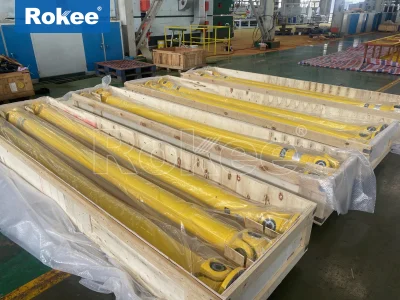
As key participants in global mechanical parts trade, professional cardan shaft exporters undertake multiple core responsibilities including production coordination, product optimization, cross-border logistics, and market docking. These exporters usually establish stable cooperative relationships with standardized manufacturing factories, integrating advanced production equipment and mature processing technologies to ensure continuous and controllable product output. In terms of product research and development, exporters keep track of the technical iteration trends of the global mechanical industry, optimizing product structural parameters according to the differentiated demand characteristics of different regional markets. For example, for industrial equipment in high-temperature and high-dust areas, exporters select enhanced sealing structures and high-temperature resistant materials to upgrade products; for precision mechanical transmission scenarios, they improve machining accuracy and dynamic balance levels to reduce operational vibration. In cross-border trade operations, exporters simplify international transaction processes, providing standardized packaging, safe transportation schemes, and complete product parameter documents. Reasonable packaging designs prevent collision deformation and corrosion damage of cardan shafts during long-distance sea and land transportation, while professional logistics scheduling ensures timely delivery of goods to destination ports, shortening the inventory cycle for overseas buyers.
The quality control system throughout production and circulation is a crucial guarantee for cardan shaft exporters to maintain long-term competitiveness in the international market. Before raw materials enter the production line, professional testing personnel conduct material composition analysis and mechanical performance detection to screen out unqualified metal raw materials. During processing, real-time monitoring is implemented for key procedures such as heat treatment and precision machining to ensure that each production link complies with technical specifications. After finished products are assembled, multiple performance tests are carried out, including static torque detection, high-speed rotation testing, and durability simulation experiments. These testing items verify the bearing capacity, operational stability, and fatigue resistance of cardan shafts under extreme working conditions. Exporters also establish complete product traceability records to track the production batch, processing parameters, and testing data of each batch of products. Strict quality management enables exported cardan shafts to adapt to diverse industrial standards in different regions, effectively reducing equipment failure rates caused by component quality problems for overseas end users.
Scientific maintenance and reasonable usage guidelines are important supplementary services provided by cardan shaft exporters to overseas clients, helping extend product service life and reduce overall equipment operation costs. During daily operation, regular lubrication of universal joint friction parts is required; high-performance lubricants can reduce metal friction coefficient and avoid abrasive wear between moving components. Exporters generally provide targeted maintenance manuals, reminding users to regularly check the tightness of connecting fasteners and the sealing integrity of shaft body structures. Damaged sealing components should be replaced in a timely manner to prevent external impurities such as dust and moisture from entering the interior and causing corrosion or jamming. In addition, excessive overload operation should be avoided in daily use; long-term overload torque will lead to irreversible metal fatigue inside the shaft body and shorten the service cycle. Exporters also offer professional remote technical guidance, assisting overseas users in troubleshooting minor operational faults and mastering correct disassembly and assembly methods, which improves the convenience of later equipment maintenance.
Looking at the current global industrial development trend, the market demand for cardan shafts remains steadily rising, bringing both development opportunities and technical challenges to cardan shaft exporters. With the accelerated upgrading of industrial automation in various countries, the iteration speed of engineering machinery and industrial production equipment continues to increase, putting forward higher requirements for the precision, durability, and environmental adaptability of transmission components. In response to market changes, exporters are actively promoting technological innovation, guiding manufacturers to adopt new alloy materials and optimized heat treatment processes to enhance product comprehensive performance. At the same time, lightweight product design has become an important development direction; under the premise of maintaining mechanical strength, reducing the self-weight of cardan shafts can effectively lower the energy consumption of mechanical operation. In terms of market layout, exporters are gradually expanding emerging markets, covering more developing regions with growing industrial construction demand, and establishing long-term stable cooperative relations with local machinery manufacturers and equipment leasing enterprises.
In conclusion, cardan shafts, as classic and efficient mechanical transmission components, have irreplaceable application value in multiple industrial fields by virtue of their flexible structural design and reliable mechanical performance. Professional cardan shaft exporters connect high-quality manufacturing resources with global industrial demand through standardized production management, strict quality control, and thoughtful cross-border trade services. In the context of continuous global industrialization and increasingly frequent cross-border mechanical trade, these exporters not only promote the circulation of high-quality mechanical parts in the international market but also provide solid component support for the normal operation and upgrading of various industrial equipment. With the continuous progress of material technology and mechanical processing technology, cardan shaft products will achieve further optimization in structural design and performance parameters, and relevant export enterprises will also continuously improve service capabilities to adapt to the evolving international market environment, achieving mutually beneficial and win-win development with global industrial clients in the long-term market operation.