Flange Cardan Shaft
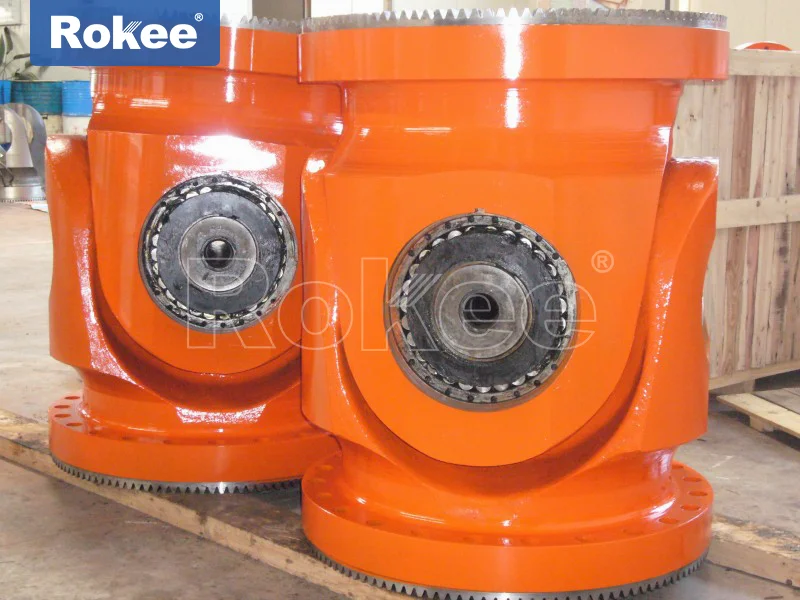
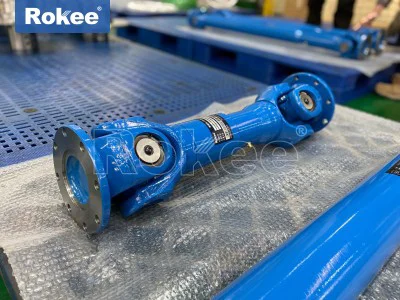
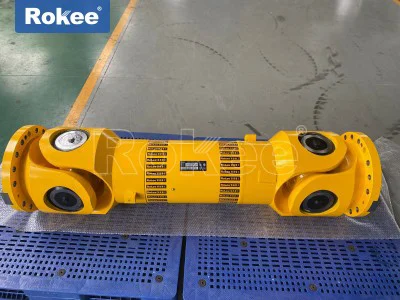
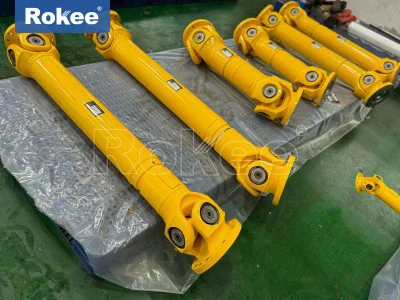
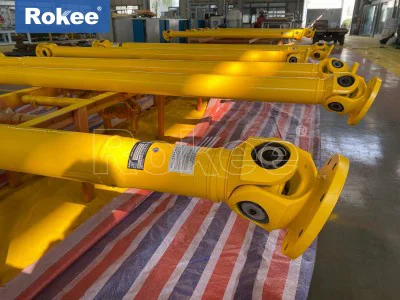
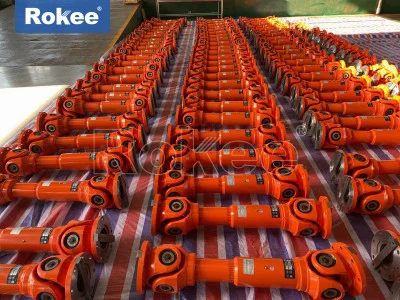
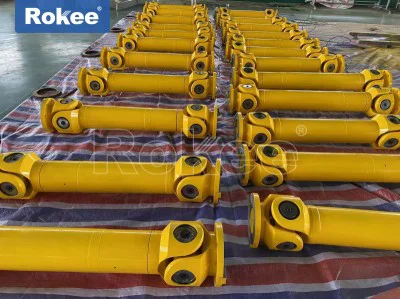
The flange cardan shaft is a special cross shaft coupling connected by a flange plate, and its core consists of cross bearings, flange forks, and expansion sleeves. Typical structures such as SWC-BF (standard expansion flange type) and SWC-WF (non expansion flange type) utilize the hinge characteristics of the cross axis, allowing the two axes to transmit torque within the angle range of β ≤ 5 °~45 °, while achieving high rigidity connection through flange bolts. Its unique design solves the problem of axis offset, ensuring stable transmission in heavy load scenarios such as metallurgy and ships.
Industry Applications
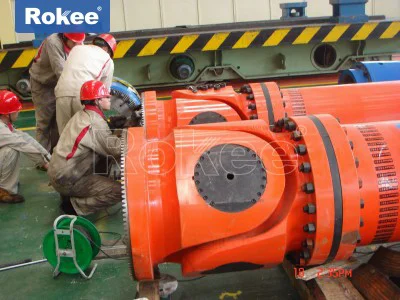
Metallurgical industry: SWP-ZG type is used for the main drive of rolling mills, which can withstand high temperatures and instantaneous impact loads;
Shipbuilding industry: SWC-WF non retractable adaptive propulsion shaft system reduces the occupation of ship cabin space;
Construction machinery: SWC-BH telescopic flange type supports non centering transmission of excavator rotary platform.
Through reasonable selection and maintenance, the flange universal joint coupling can significantly improve the efficiency and reliability of the transmission system, and adapt to the needs of complex industrial scenarios.
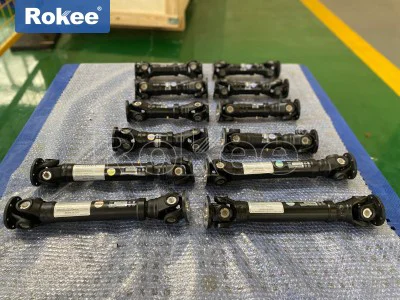
A flange cardan shaft, also commonly referred to as a flange universal joint shaft, is a critical mechanical component designed to transmit torque and rotational motion between two misaligned shafts. Unlike straight shafts that require precise coaxial alignment to function effectively, flange cardan shafts are engineered to accommodate angular, axial, and radial misalignments, making them indispensable in a wide range of industrial, automotive, and heavy machinery applications. The integration of flange connections at both ends distinguishes this type of cardan shaft from other designs, providing a secure, rigid, and easy-to-install interface that ensures efficient power transfer even under demanding operating conditions. By bridging the gap between misaligned components, flange cardan shafts play a vital role in maintaining the smooth operation of complex mechanical systems, reducing wear on other parts, and enhancing overall system reliability and longevity.
The fundamental functionality of a flange cardan shaft revolves around its ability to transmit rotational power while compensating for misalignments between the driving and driven shafts. This capability is rooted in the unique combination of the cardan joint—also known as a universal joint—and the flange connections. The cardan joint, the core component of the shaft, consists of two yokes (U-shaped components) connected by a cross-shaped intermediate piece, often referred to as a cross or spider. This cross is typically fitted with bearings at each end, allowing the yokes to pivot relative to one another at varying angles without disrupting the transmission of torque. The flange connections, which are mounted on the ends of the yokes, serve as the interface between the cardan shaft and the connected machinery, such as motors, gearboxes, pumps, or other rotating components. These flanges are designed with a series of bolt holes that enable secure attachment, ensuring that the shaft remains firmly connected even when subjected to high levels of torque, vibration, or axial loads. The synergy between the cardan joint’s flexibility and the flange’s rigidity creates a versatile component that can adapt to the dynamic conditions of most mechanical systems.
To fully understand the operation of a flange cardan shaft, it is essential to examine its key components and their individual roles. The cross, or spider, is the central element that enables angular misalignment compensation. It is typically constructed from a single piece of high-strength material, machined to precise tolerances to ensure smooth rotation and optimal load distribution. The bearings mounted on each arm of the cross reduce friction between the cross and the yokes, allowing for free pivoting movement. These bearings are often sealed to prevent contamination by dust, debris, or moisture, which can cause premature wear and failure. The yokes, which are attached to the ends of the cross, are responsible for transferring torque from the driving shaft to the cross and then to the driven shaft. They are designed to be robust enough to withstand the full torque of the system, with a U-shaped design that accommodates the cross and allows for angular movement. The flanges themselves are typically circular disks that are welded or bolted to the ends of the yokes. They are machined to ensure a flat, smooth surface that mates perfectly with the flange of the connected component, creating a tight, secure connection that minimizes vibration and ensures efficient power transfer. In some designs, the flanges may include additional features such as keyways or splines to further enhance the connection’s stability and prevent slippage.
The materials used in the construction of flange cardan shafts are carefully selected based on the specific application requirements, including the level of torque, operating speed, environmental conditions, and potential exposure to corrosive substances or extreme temperatures. The most commonly used materials are high-strength steels, which offer an excellent combination of strength, durability, and resistance to wear and fatigue. Carbon steel is often used for standard applications where moderate torque and operating conditions are expected, while alloy steels—such as chromium-molybdenum or nickel-chromium steels—are preferred for high-performance applications that require greater strength, toughness, and resistance to high temperatures. These alloy steels are often subjected to heat treatment processes, such as quenching and tempering, to further enhance their mechanical properties. For applications where weight is a concern, such as in automotive or aerospace systems, lightweight materials like aluminum alloys may be used, although they are typically limited to lower torque applications due to their lower strength compared to steel. In some cases, composite materials may also be employed, offering a unique combination of lightweight, high strength, and corrosion resistance, although their use is less common due to higher costs and manufacturing complexity. The bearings and other moving components are typically made from hardened steel or ceramic materials, which provide excellent wear resistance and low friction.
The manufacturing process of flange cardan shafts involves a series of precise steps to ensure that each component meets the required specifications and performance standards. The process begins with the selection and preparation of raw materials, which are inspected for quality and consistency before being processed. The cross and yokes are typically manufactured using forging or machining processes. Forging involves heating the raw material to a high temperature and then shaping it using compressive forces, which results in a component with improved strength and structural integrity due to the alignment of the metal’s grain structure. Machining, on the other hand, involves removing material from a solid block using cutting tools to achieve the desired shape and dimensions. This process is often used for components that require high precision or complex geometries. After forging or machining, the components are subjected to heat treatment to enhance their mechanical properties. Quenching involves rapidly cooling the heated component in oil or water to harden the material, while tempering involves reheating the component to a lower temperature to reduce brittleness and improve toughness. The flanges are typically machined from solid steel disks, with the bolt holes and other features drilled or milled to precise tolerances. The components are then assembled, with the bearings pressed into the cross and the yokes attached to the cross. The flanges are welded or bolted to the yokes, and the entire assembly is inspected for alignment, balance, and overall quality. Finally, the shaft may be coated with a protective finish, such as paint, zinc plating, or powder coating, to prevent corrosion and extend its service life.
One of the key advantages of flange cardan shafts is their ability to accommodate various types of misalignments, which is critical in many mechanical systems where perfect coaxial alignment between shafts is difficult or impossible to achieve. Angular misalignment occurs when the driving and driven shafts are not parallel, forming an angle between them. Flange cardan shafts can typically accommodate angular misalignments ranging from a few degrees up to 45 degrees, depending on the design and size of the shaft. Axial misalignment, which occurs when the shafts are parallel but offset along their axial line, can also be compensated for by some designs, particularly those equipped with telescopic sections that allow the shaft to expand or contract. Radial misalignment, where the shafts are offset radially, is another type of misalignment that can be accommodated by the flexible nature of the cardan joint. This ability to compensate for multiple types of misalignments reduces the stress on other components in the system, such as bearings and gears, preventing premature wear and failure and reducing maintenance costs. Additionally, flange cardan shafts are capable of transmitting high levels of torque efficiently, with minimal power loss, making them suitable for heavy-duty applications.
The applications of flange cardan shafts are diverse and span across numerous industries, each with its own unique requirements and operating conditions. In the industrial sector, they are widely used in machinery such as pumps, compressors, fans, and conveyors, where they connect motors to the driven components and compensate for any misalignments that may exist. In the automotive industry, flange cardan shafts are used in rear-wheel-drive and four-wheel-drive vehicles to transmit torque from the transmission to the rear axle. They are also used in drivelines for trucks, buses, and off-road vehicles, where they must withstand high levels of torque and accommodate the movement of the suspension system. In the heavy machinery industry, such as construction, mining, and agriculture, flange cardan shafts are essential components in equipment like excavators, bulldozers, tractors, and harvesters. These applications require shafts that can withstand extreme torque, harsh environmental conditions, and significant misalignments. In the marine industry, flange cardan shafts are used in ship propulsion systems, connecting the engine to the propeller and accommodating the movement of the hull. They are also used in offshore equipment, such as wind turbines, where they transmit power from the generator to the gearbox and compensate for the misalignments caused by wind loads and structural movement. Other applications include aerospace systems, where lightweight and high-performance flange cardan shafts are used in aircraft engines and control systems, and industrial automation, where precise and reliable power transmission is essential for robotic arms and other automated equipment.
In industrial settings, flange cardan shafts are often integrated into complex drive systems that require reliable performance over long periods of operation. For example, in steel mills, they are used to connect motors to rolling mills, where they must transmit high torque while accommodating the misalignments caused by the thermal expansion of the equipment. In paper mills, they are used in the drivelines of paper machines, where they must operate smoothly at high speeds and withstand the moisture and chemical exposure typical of the industry. In wastewater treatment plants, flange cardan shafts are used in pumps and aerators, where they must resist corrosion from chemicals and wastewater. The ability of these shafts to operate reliably in such harsh conditions makes them indispensable in maintaining the efficiency and productivity of industrial processes. In many cases, the failure of a flange cardan shaft can lead to costly downtime, so their durability and reliability are of utmost importance.
In the automotive sector, the design of flange cardan shafts is tailored to meet the specific needs of different vehicle types. For passenger cars, lightweight materials are often used to improve fuel efficiency, while for trucks and heavy-duty vehicles, high-strength steel is preferred to handle the increased torque. The shafts are also designed to accommodate the movement of the suspension system, which can cause significant misalignments between the transmission and the axle. In four-wheel-drive vehicles, multiple flange cardan shafts may be used to transmit torque to both the front and rear axles, ensuring optimal traction in all driving conditions. The flange connections in automotive applications are typically designed for easy installation and removal, allowing for quick maintenance and repair.
Heavy machinery applications demand flange cardan shafts that can withstand extreme operating conditions. Construction equipment, such as excavators and bulldozers, operates in dusty, dirty environments and is subjected to high levels of shock and vibration. Flange cardan shafts used in these applications are designed with robust bearings and sealed components to prevent contamination, and they are constructed from high-strength materials to withstand the impact loads. In mining equipment, such as conveyor systems and crushers, the shafts must transmit extremely high torque while accommodating the misalignments caused by the movement of the equipment and the uneven terrain. Agricultural machinery, such as tractors and harvesters, often operates in wet and muddy conditions, so the shafts are designed to resist corrosion and moisture damage. The versatility of flange cardan shafts makes them suitable for all these demanding applications, ensuring that the equipment can operate efficiently and reliably.
Proper maintenance is essential to ensure the long-term performance and reliability of flange cardan shafts. Regular inspection is crucial to identify any signs of wear, damage, or misalignment that could lead to failure. During inspection, the shaft should be checked for cracks, dents, or other damage to the yokes, cross, or flanges. The bearings should be inspected for signs of wear, such as excessive play or noise, and lubricated regularly to reduce friction and prevent premature failure. The flange connections should be checked to ensure that the bolts are tight and that there is no slippage or misalignment. In addition, the shaft should be balanced periodically to reduce vibration, which can cause wear on other components and reduce the shaft’s service life. Balancing involves adjusting the weight distribution of the shaft to ensure that it rotates smoothly at high speeds, minimizing centrifugal forces that can lead to fatigue and failure. The frequency of maintenance depends on the application and operating conditions, with harsh environments requiring more frequent inspections and maintenance.
Lubrication is one of the most critical maintenance tasks for flange cardan shafts. The bearings and other moving components rely on proper lubrication to reduce friction and wear, and to prevent corrosion. The type of lubricant used depends on the operating conditions, such as temperature, speed, and load. For most applications, a high-quality grease or oil is used, which is applied to the bearings through grease fittings or oil ports. It is important to use the correct type and amount of lubricant, as over-lubrication can cause overheating and premature wear, while under-lubrication can lead to dry friction and component failure. The lubricant should be changed regularly to remove any contaminants that may have accumulated, such as dust, debris, or metal particles. In applications where the shaft is exposed to extreme temperatures or corrosive substances, specialized lubricants may be required to ensure optimal performance.
Another important aspect of maintenance is the inspection and adjustment of the flange connections. Over time, the bolts used to secure the flanges may loosen due to vibration, which can cause misalignment and reduce the efficiency of power transfer. Regularly checking and tightening the bolts can prevent this issue, ensuring that the connection remains secure. If any signs of wear or damage are found on the flanges, such as warping or cracks, they should be replaced immediately to prevent failure. In some cases, the flanges may need to be re-machined to restore their flatness and ensure a proper fit with the connected component. It is also important to check the alignment of the shaft periodically, using specialized tools to measure angular, axial, and radial misalignments. If misalignment exceeds the recommended limits, adjustments should be made to the connected components or the shaft itself to restore proper alignment.
When a flange cardan shaft does fail, it is important to identify the root cause to prevent future failures. Common causes of failure include excessive misalignment, overloading, inadequate lubrication, contamination, and material fatigue. Excessive misalignment can cause excessive stress on the cross and bearings, leading to premature wear and failure. Overloading can exceed the shaft’s torque capacity, causing bending or cracking of the yokes, cross, or flanges. Inadequate lubrication can lead to dry friction and wear of the bearings, while contamination can cause corrosion and damage to the moving components. Material fatigue, which occurs over time due to repeated loading and unloading, can cause cracks to form in the components, eventually leading to failure. By identifying the root cause of failure, appropriate measures can be taken to prevent similar issues in the future, such as adjusting the alignment, reducing the load, improving lubrication, or using more durable materials.
Advancements in technology and manufacturing processes have led to significant improvements in the design and performance of flange cardan shafts in recent years. One of the key trends is the use of computer-aided design (CAD) and finite element analysis (FEA) to optimize the design of the components. CAD software allows engineers to create detailed 3D models of the shaft, enabling them to simulate its performance under various operating conditions and identify potential areas of stress or weakness. FEA is used to analyze the structural integrity of the components, predicting how they will behave under different loads and misalignments. This allows for the design of lighter, stronger, and more efficient shafts that can withstand higher levels of torque and misalignment. Another trend is the use of advanced materials and manufacturing processes, such as additive manufacturing (3D printing), which allows for the production of complex geometries that would be difficult or impossible to achieve with traditional machining methods. Additive manufacturing also enables the production of lightweight components with optimized weight distribution, improving performance and reducing energy consumption.
In addition, advancements in bearing technology have improved the performance and durability of flange cardan shafts. The development of high-performance bearings, such as ceramic bearings and self-lubricating bearings, has reduced friction and wear, extending the service life of the shaft and reducing maintenance requirements. Ceramic bearings offer excellent wear resistance, high temperature resistance, and low friction, making them ideal for high-performance applications. Self-lubricating bearings eliminate the need for regular lubrication, reducing maintenance costs and ensuring reliable performance in applications where lubrication is difficult or impractical. Another area of advancement is the integration of sensors and monitoring systems into flange cardan shafts, allowing for real-time monitoring of their performance. These sensors can detect changes in temperature, vibration, and torque, providing early warning of potential issues before they lead to failure. This predictive maintenance approach helps to reduce downtime and maintenance costs, improving the overall efficiency and reliability of the mechanical system.
As industries continue to evolve and demand higher levels of performance, efficiency, and reliability, the role of flange cardan shafts will become even more important. In the automotive industry, the shift towards electric vehicles is driving the need for lightweight, high-efficiency flange cardan shafts that can accommodate the unique requirements of electric drivelines. In the renewable energy sector, the growth of wind and solar power is increasing the demand for flange cardan shafts that can operate reliably in harsh outdoor conditions and transmit high levels of torque efficiently. In the industrial sector, the trend towards automation and Industry 4.0 is requiring more precise and reliable power transmission components, such as flange cardan shafts, to ensure the smooth operation of automated systems. Additionally, the focus on sustainability and energy efficiency is driving the development of lighter, more efficient shafts that consume less energy and have a longer service life.
In conclusion, flange cardan shafts are essential mechanical components that play a critical role in transmitting torque and rotational motion between misaligned shafts in a wide range of applications. Their unique design, which combines the flexibility of the cardan joint with the rigidity of flange connections, allows them to accommodate angular, axial, and radial misalignments while transmitting high levels of torque efficiently. The materials and manufacturing processes used in their construction are carefully selected to meet the specific requirements of each application, ensuring durability, reliability, and optimal performance. Proper maintenance, including regular inspection, lubrication, and alignment, is essential to extend their service life and prevent failure. Advancements in technology and manufacturing processes are continuously improving the design and performance of flange cardan shafts, making them more efficient, reliable, and suitable for the evolving needs of modern industries. As industries continue to grow and innovate, flange cardan shafts will remain a key component in ensuring the smooth and efficient operation of complex mechanical systems, contributing to the productivity, reliability, and sustainability of various sectors around the world.