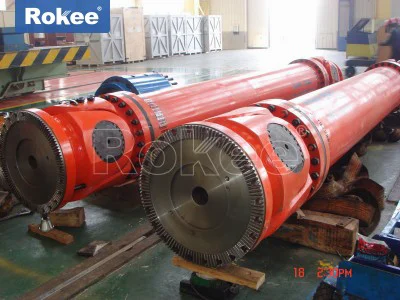
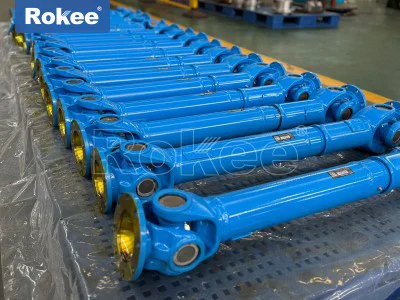
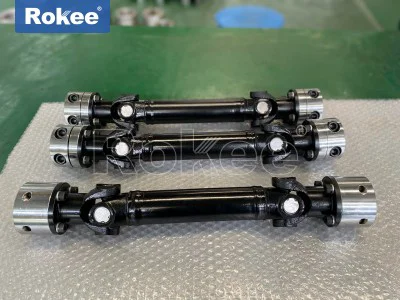
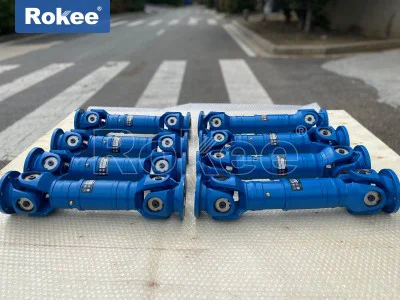
Cardan Shaft For Rolling Mill
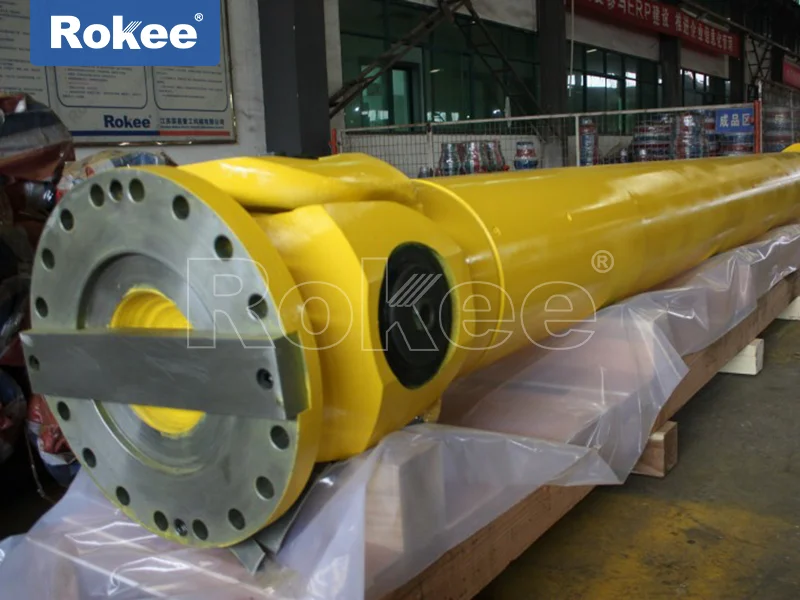
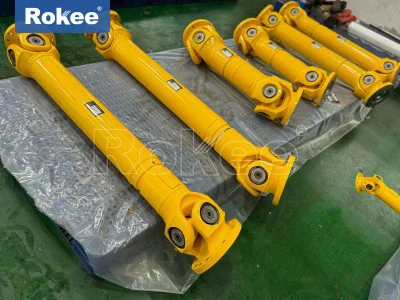
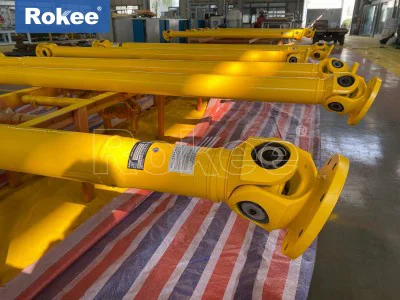
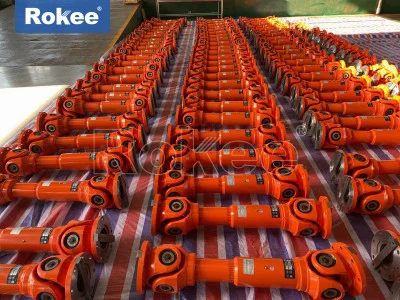
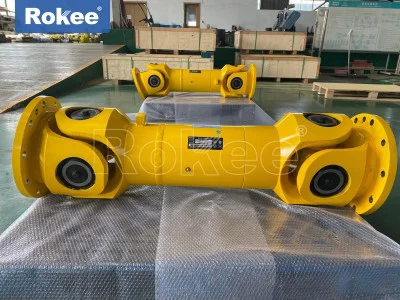
The cardan shaft of the rolling mill is a key transmission component in metallurgical rolling equipment, mainly used to connect shafts of different axes, transmit torque, and compensate for axial, radial, and angular displacement.
Core advantages:
High torque transmission: suitable for heavy-duty scenarios such as rolling mills and lifting machinery.
Multi directional compensation capability: Through the cross axis structure and spherical contact design, it can absorb axis deflection and reduce equipment vibration.
Modular design: Models such as SWC-BH and SWC-WD adopt integral fork heads or detachable structures to improve maintenance efficiency.
Typical scenario:
The main transmission system of hot rolling mills and cold rolling mills;
Rapid docking of casting and rolling mill rolls.
In the complex and high-demand world of metallurgical processing, the rolling mill stands as a cornerstone equipment, responsible for shaping raw metal materials into various usable forms such as sheets, plates, bars, and profiles. Behind the seamless operation of these massive machines lies a range of critical components, each playing a unique and indispensable role in ensuring efficiency, stability, and precision. Among these components, the cardan shaft emerges as a vital link in the power transmission system, silently bearing the burden of transferring enormous torque while accommodating dynamic misalignments that are inherent to the rolling process. Without the reliable performance of cardan shafts, the smooth and continuous operation of rolling mills would be nearly impossible, leading to disruptions in production, compromised product quality, and increased operational costs.
A cardan shaft, also known as a universal shaft or universal joint shaft, is a mechanical device specifically designed to transmit rotational power and torque from one shaft to another when the two shafts are not aligned perfectly, either at an angle or with axial displacement. In the context of rolling mills, this capability is particularly crucial because the operational conditions of these machines involve constant dynamic changes. During the rolling process, the rolls are subjected to immense forces that cause elastic deformation of the mill stands, bearings, and other structural components. Additionally, thermal expansion due to the high temperatures of the metal being processed, as well as minor shifts in the equipment foundation over time, further contribute to misalignments between the driving shaft (connected to the main motor) and the driven shaft (connected to the rolls). The cardan shaft must effectively compensate for these angular, axial, and radial misalignments while maintaining a steady and efficient transmission of torque, ensuring that the rolls rotate at the required speed and with the necessary power to shape the metal accurately.
The structural composition of a cardan shaft for rolling mills is engineered to withstand the harsh operating conditions of metallurgical plants, including high torque, heavy loads, extreme temperatures, and exposure to contaminants such as dust, scale, and cooling water. While the exact design may vary depending on the specific type of rolling mill and its operational requirements, most cardan shafts consist of several core components that work together seamlessly. The primary components include universal joint forks, a cross shaft, bearings, a shaft sleeve, and a telescopic spline. The universal joint forks are connected to the driving and driven shafts, serving as the interface for power transfer. These forks are typically forged from high-strength materials to ensure they can withstand the immense torque and stress generated during operation. The cross shaft, which is the central component of the universal joint, connects the two forks and allows for angular misalignment between them. It is designed to rotate freely within the forks, enabling the transmission of torque even when the shafts are at an angle.
Bearings play a critical role in reducing friction between the cross shaft and the universal joint forks, ensuring smooth rotation and minimizing wear. In rolling mill cardan shafts, heavy-duty bearings such as needle bearings or tapered roller bearings are commonly used due to their ability to handle high radial and axial loads. These bearings are often sealed to prevent contamination from external debris, which can cause premature wear and failure. The shaft sleeve provides additional support and protection to the internal components, while the telescopic spline (also known as a slip joint) allows for axial displacement between the two shafts. This feature is essential in accommodating the thermal expansion and contraction of the shafts during operation, as well as any minor axial shifts caused by the rolling forces. The telescopic spline consists of an outer sleeve with internal splines and an inner shaft with external splines, allowing the two parts to slide relative to each other while maintaining torque transmission.
The working principle of a cardan shaft for rolling mills is based on the mechanical geometry of the universal joint, which enables the transmission of rotational motion between misaligned shafts. When the driving shaft rotates, it imparts rotational motion to the connected universal joint fork. This motion is then transferred to the cross shaft, which rotates around its own axis while also pivoting within the forks to compensate for angular misalignment. The cross shaft, in turn, transfers the rotational motion to the other universal joint fork, which drives the driven shaft connected to the rolls. The telescopic spline allows for axial movement between the two halves of the cardan shaft, ensuring that even as the shafts expand or contract due to temperature changes or shift axially due to operational forces, the torque transmission remains uninterrupted. This combination of angular and axial compensation capabilities makes the cardan shaft an ideal solution for the dynamic and demanding conditions of rolling mill operations.
One of the most notable characteristics of cardan shafts for rolling mills is their high torque transmission capacity. Rolling mills require enormous amounts of torque to drive the rolls, especially when processing thick or hard metals such as steel slabs. The cardan shaft must be able to transmit this torque efficiently without deformation or failure. To achieve this, the components of the cardan shaft are manufactured from high-strength materials such as alloy steel, which is known for its excellent mechanical properties, including high tensile strength, toughness, and wear resistance. Common alloy steels used in the production of cardan shafts include 42CrMo and 20CrMnTi, which are subjected to specialized heat treatment processes such as carburizing, quenching, and tempering to enhance their surface hardness and core toughness. These heat treatment processes ensure that the cardan shaft can withstand the high torque and cyclic loads generated during rolling operations, extending its service life and reducing the risk of premature failure.
Another key characteristic of rolling mill cardan shafts is their strong angle compensation capability. The ability to accommodate angular misalignments between the driving and driven shafts is essential in rolling mills, where dynamic changes in the equipment structure are inevitable. Most cardan shafts for rolling mills can accommodate angular misalignments ranging from 1.5 degrees to 3 degrees in normal operation, with some specialized designs capable of handling angles up to 5 degrees or more. This flexibility ensures that even as the mill stands deform under load or the rolls shift slightly during operation, the cardan shaft can maintain a steady transmission of power, preventing vibrations and ensuring the smooth rotation of the rolls. The angle compensation capability also helps to reduce stress on other components of the transmission system, such as the bearings and gears, extending their service life and reducing maintenance costs.
Wear resistance and durability are also critical characteristics of cardan shafts for rolling mills, given the harsh operating environment in which they operate. Rolling mills are typically exposed to high temperatures, dust, scale, and cooling water, all of which can cause significant wear and corrosion to mechanical components. To address this, cardan shafts are designed with specialized surface treatments and protective coatings that enhance their resistance to wear, corrosion, and high temperatures. The cross shaft and universal joint forks are often subjected to surface hardening processes to increase their wear resistance, while the bearings are equipped with high-temperature lubricants and effective sealing systems to prevent contamination. The telescopic spline is also treated with anti-wear coatings to reduce friction and wear during axial movement. These design features ensure that the cardan shaft can operate reliably in the harsh conditions of rolling mills, minimizing downtime and maintenance requirements.
Low noise operation is another important characteristic of modern cardan shafts for rolling mills. In industrial environments, excessive noise can not only affect the comfort and safety of workers but also indicate potential issues with the equipment, such as misalignment, wear, or lubrication failure. Cardan shafts are designed with precision manufacturing processes to ensure that the components fit together tightly, reducing vibration and noise during operation. The use of high-quality bearings and effective lubrication also helps to minimize friction and noise, ensuring that the cardan shaft operates quietly and smoothly. This low noise operation is particularly important in modern rolling mills, which are increasingly focused on creating safer and more comfortable working environments for their employees.
Cardan shafts are used in a wide range of rolling mill types, each with its own unique operational requirements and challenges. Cold rolling mills, for example, require cardan shafts that can transmit high torque while maintaining precise speed control, as the cold rolling process involves shaping metal at room temperature, which requires greater force and precision. Cold rolling mills typically process metals into thin sheets or strips, and the cardan shafts used in these mills must be designed to minimize vibrations and ensure smooth rotation of the rolls, which is essential for achieving the required surface finish and dimensional accuracy of the final product. Hot rolling mills, on the other hand, operate at much higher temperatures, with the metal being processed at temperatures above its recrystallization point. The cardan shafts used in hot rolling mills must be able to withstand high temperatures, as well as the increased wear and corrosion caused by the hot scale and cooling water used in the process. These cardan shafts are often equipped with specialized heat-resistant materials and sealing systems to ensure reliable operation in high-temperature environments.
Plate rolling mills, which are used to produce large steel plates, require cardan shafts with extremely high torque transmission capacity, as the rolls used in these mills are large and heavy, and the rolling process generates enormous forces. The cardan shafts in plate rolling mills are typically larger in size and designed with reinforced components to handle the heavy loads and high torque. Bar and wire rolling mills, on the other hand, require cardan shafts that can accommodate frequent changes in roll diameter and speed, as these mills produce a wide range of bar and wire sizes. The cardan shafts used in these mills are often designed with adjustable telescopic splines to accommodate the varying axial displacements caused by roll changes.
In addition to their use in different types of rolling mills, cardan shafts are also employed in various stages of the rolling process, including the main transmission system, the auxiliary transmission system, and the roll change mechanism. The main transmission system is responsible for transferring power from the main motor to the work rolls, and the cardan shafts used in this system are the most critical, as they bear the brunt of the torque and load. The auxiliary transmission system, which drives components such as the guide rolls and tension rolls, also uses cardan shafts, although these are typically smaller in size and have lower torque requirements. The roll change mechanism, which allows for quick and efficient replacement of the rolls, uses cardan shafts to transmit power to the roll changing equipment, ensuring smooth and precise movement of the rolls during replacement.
Proper maintenance is essential to ensure the long-term reliability and performance of cardan shafts for rolling mills. Given the harsh operating conditions and the critical role they play in the production process, regular maintenance can help to prevent premature failure, reduce downtime, and extend the service life of the cardan shaft. One of the most important maintenance tasks is lubrication, as proper lubrication is essential to reduce friction between the moving components, prevent wear, and protect against corrosion. The bearings, cross shaft, and telescopic spline all require regular lubrication with high-quality lubricants that are specifically designed for high-temperature, high-load applications. The type of lubricant used should be selected based on the operating temperature, load, and speed of the cardan shaft, and the lubrication schedule should be followed strictly to ensure that the components are always properly lubricated.
Regular inspection is another key maintenance task. During inspection, the cardan shaft should be checked for signs of wear, damage, or misalignment. This includes checking the universal joint forks for cracks or deformation, the cross shaft for wear or damage to the bearing surfaces, the bearings for signs of wear or leakage, and the telescopic spline for wear or corrosion. Any signs of damage or wear should be addressed immediately, as continued operation with damaged components can lead to more serious issues, such as shaft failure or damage to other parts of the transmission system. In addition to visual inspection, vibration analysis and temperature monitoring can also be used to detect potential issues early. Vibration analysis can help to identify misalignment, wear, or imbalance in the cardan shaft, while temperature monitoring can detect overheating, which may indicate lubrication failure or bearing damage.
Another important maintenance task is the adjustment of the telescopic spline. Over time, the splines may wear, leading to increased play between the inner and outer components. This can cause vibrations and reduce the efficiency of torque transmission. Regular adjustment of the telescopic spline can help to maintain the proper fit and reduce play, ensuring smooth operation. In addition, the universal joint forks should be checked for proper alignment, as misalignment can cause increased stress on the cross shaft and bearings, leading to premature wear. If misalignment is detected, it should be corrected immediately by adjusting the position of the driving or driven shaft.
Replacement of worn or damaged components is also an essential part of maintenance. When components such as bearings, cross shafts, or universal joint forks become worn or damaged beyond repair, they should be replaced with new components that meet the original specifications. Using low-quality or incompatible components can lead to premature failure of the cardan shaft and may cause damage to other parts of the rolling mill. It is also important to ensure that the replacement components are installed correctly, as improper installation can lead to misalignment, increased wear, and reduced performance.
In recent years, the design and performance of cardan shafts for rolling mills have been significantly improved due to advancements in materials science, manufacturing technology, and digitalization. One of the key trends in cardan shaft design is the integration of smart monitoring technologies. Modern cardan shafts are increasingly equipped with sensors that monitor various parameters such as temperature, vibration, and torque in real time. These sensors transmit data to a central control system, allowing operators to monitor the condition of the cardan shaft remotely and detect potential issues early. This predictive maintenance approach helps to reduce downtime, improve reliability, and extend the service life of the cardan shaft.
Advancements in materials science have also led to the development of new materials that offer improved performance and durability. For example, the use of high-strength, lightweight alloys has allowed for the design of cardan shafts that are both stronger and lighter, reducing the overall weight of the transmission system and improving energy efficiency. In addition, the development of advanced surface treatment technologies, such as thermal spraying and laser cladding, has enhanced the wear and corrosion resistance of cardan shaft components, further extending their service life. These materials and surface treatments are particularly beneficial in harsh operating environments, such as hot rolling mills, where the cardan shaft is exposed to high temperatures and contaminants.
Manufacturing technology has also played a key role in improving the performance of cardan shafts. Precision machining processes, such as CNC turning and milling, have allowed for the production of components with tighter tolerances, ensuring better fit and alignment between the parts. This has reduced vibration and noise during operation, improved torque transmission efficiency, and extended the service life of the cardan shaft. In addition, the use of finite element analysis (FEA) in the design process has allowed engineers to optimize the structure of the cardan shaft, ensuring that it can withstand the high torque and loads while minimizing weight and material usage. FEA simulations can also be used to predict the performance of the cardan shaft under various operating conditions, allowing for the identification and resolution of potential issues before the product is manufactured.
Digitalization is another trend that is shaping the future of cardan shafts for rolling mills. The integration of digital technologies, such as the Internet of Things (IoT) and artificial intelligence (AI), has enabled the development of smart cardan shafts that can self-monitor, self-diagnose, and even self-adjust to changing operating conditions. For example, AI algorithms can analyze the data collected by the sensors to predict when maintenance is needed, allowing for proactive maintenance that minimizes downtime. In addition, digital twins of cardan shafts can be created, which are virtual replicas of the physical component. These digital twins can be used to simulate the performance of the cardan shaft under various operating conditions, allowing for the optimization of the design and operation of the rolling mill.
Despite the many advancements in cardan shaft technology, there are still challenges that need to be addressed. One of the main challenges is the need to further improve the durability and reliability of cardan shafts in extremely harsh operating conditions, such as those found in large-scale hot rolling mills. The high temperatures, heavy loads, and constant exposure to contaminants continue to pose a significant challenge to the long-term performance of the cardan shaft. Another challenge is the need to reduce the maintenance requirements of cardan shafts, as regular maintenance can be time-consuming and costly. Advances in materials, lubrication, and smart monitoring technologies are helping to address these challenges, but there is still room for improvement.
In conclusion, the cardan shaft is an essential component of rolling mill transmission systems, playing a critical role in ensuring the smooth, efficient, and reliable operation of these machines. Its ability to transmit high torque while accommodating angular, axial, and radial misalignments makes it ideally suited for the dynamic and demanding conditions of metallurgical processing. The structural design, materials, and manufacturing processes of cardan shafts are constantly evolving, driven by the need to improve performance, durability, and efficiency. With the integration of smart monitoring technologies, advanced materials, and digitalization, the future of cardan shafts for rolling mills looks promising, with further improvements in reliability, efficiency, and maintenance convenience expected in the years to come. As rolling mills continue to become more advanced and efficient, the cardan shaft will remain a key component, ensuring that these machines can meet the growing demands of the metallurgical industry.