Cardan Shaft for Generator
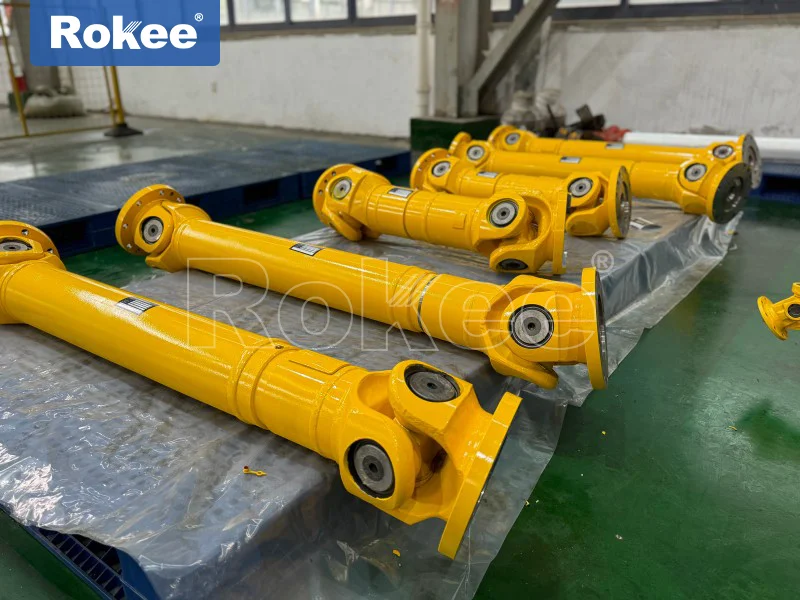
In the complex operational system of power generation equipment, the transmission of mechanical power serves as the fundamental guarantee for stable energy conversion, and the cardan shaft has emerged as an indispensable mechanical component in generator assembly due to its unique structural adaptability and reliable power transmission performance. As a key connecting part between the power driving source and the generator rotor, the cardan shaft undertakes the core task of transmitting rotational torque, converting the mechanical energy generated by prime movers into the rotational power required for generator operation, and finally realizing the conversion from mechanical energy to electrical energy. Unlike rigid transmission parts, this flexible transmission component can adapt to complex spatial position changes and angular deviations during equipment operation, effectively solving the transmission difficulties caused by installation errors, mechanical vibration and structural deformation of generator sets, which makes it widely applied in various types of power generation scenarios ranging from small mobile generator units to large fixed power generation systems.
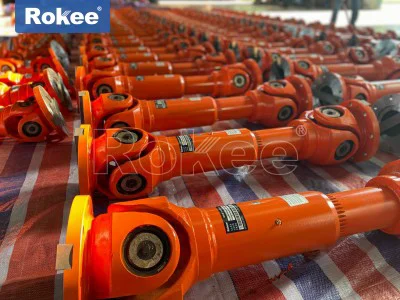
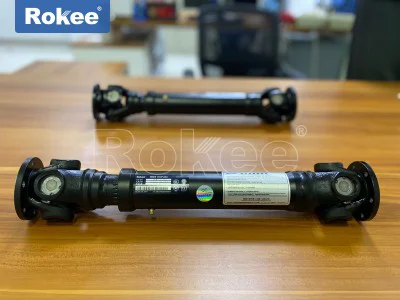
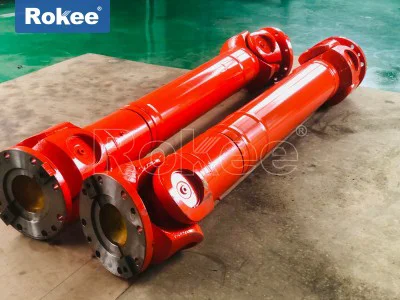
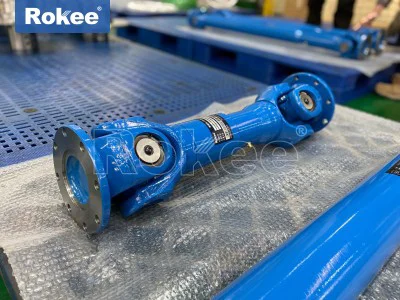
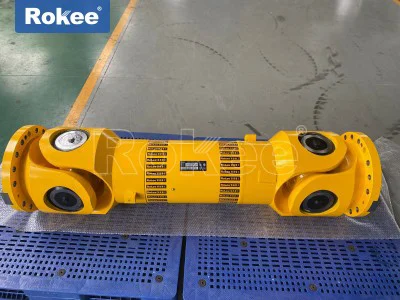
The basic structural composition of a cardan shaft for generators follows mature mechanical design logic, with each component cooperating closely to complete efficient power transmission. The overall structure mainly includes universal joints, intermediate shaft tubes, telescopic connecting structures and rotating bearing components. The universal joint is the core functional unit of the entire component, composed of cross shafts, joint forks and rolling auxiliary structures, which enables the shaft body to maintain stable torque output under the condition of angular deflection between the driving end and the driven end. The seamless coordination between cross shafts and joint forks ensures flexible rotation in multiple directions, eliminating the transmission dead angle caused by fixed-axis connection. The intermediate shaft tube is usually made of high-strength metal materials with uniform wall thickness and dense internal metal texture. It bears the main torsional load during operation, and its streamlined cylindrical structure can effectively reduce air resistance and mechanical friction loss in the rotating state. The telescopic structure is embedded at the connection of shaft sections, which can automatically adjust the axial distance between the driving source and the generator according to the thermal expansion and cold contraction of equipment parts and subtle displacement generated by mechanical vibration, avoiding additional mechanical stress caused by fixed connection. Meanwhile, the built-in bearing components reduce the friction coefficient of relative rotation between parts, ensuring the smooth operation of the entire transmission mechanism.
The working principle of the cardan shaft in generator operation is based on the mechanical motion law of flexible coupling transmission. In the power generation system, the prime mover drives one end of the cardan shaft to rotate at a constant speed, and the torque is transmitted to the generator rotor through the universal joint and the intermediate shaft tube. When there is a parallel offset or angular inclination between the axis of the prime mover and the generator rotor axis due to installation assembly gaps or long-term mechanical settlement, the universal joint can flexibly adjust the transmission angle through the rotation of the cross shaft, ensuring that the rotational speed and torque can be stably transmitted without obvious power attenuation. During the continuous operation of the generator set, mechanical vibration will inevitably occur inside the equipment, and the flexible connection characteristics of the cardan shaft can absorb part of the vibration energy, prevent the vibration from being directly transmitted between the prime mover and the generator, and reduce the amplitude of mechanical resonance of the entire unit. In addition, the telescopic structure can buffer the axial displacement generated by the temperature change of metal parts during the operation of the generator set, maintain the tight connection state of the transmission structure, and avoid transmission interruption caused by loose assembly gaps.
The inherent performance advantages of cardan shafts make them highly compatible with the operating characteristics of generator sets. First of all, this transmission component has excellent angular compensation capability. In actual installation scenarios, it is difficult to achieve absolute coaxial alignment between the prime mover and the generator, and tiny axis deviations are ubiquitous. The cardan shaft can adapt to a certain range of angular deflection and parallel displacement, which greatly reduces the assembly precision requirements of generator sets and lowers the installation and debugging difficulty of power generation equipment. Secondly, the cardan shaft has strong load-bearing stability. In the process of generator startup, variable load operation and shutdown, the torque will fluctuate instantaneously. The high-strength metal structure and optimized stress distribution design enable it to withstand instantaneous impact loads without permanent deformation, ensuring continuous and stable power transmission. Moreover, the overall structure of the cardan shaft is compact and easy to arrange. It can adapt to narrow installation spaces inside integrated generator units, and will not occupy excessive equipment layout space while meeting transmission requirements, which is particularly suitable for mobile generator equipment with space limitations.
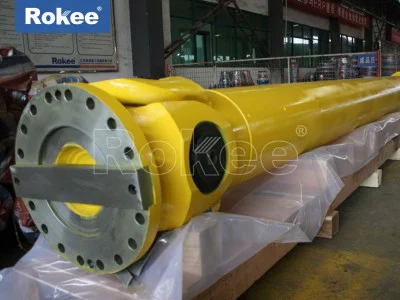
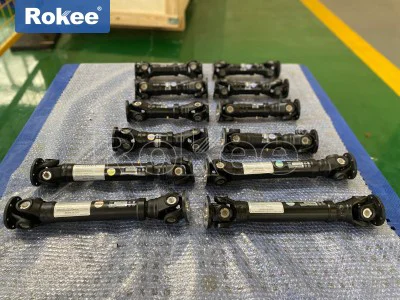
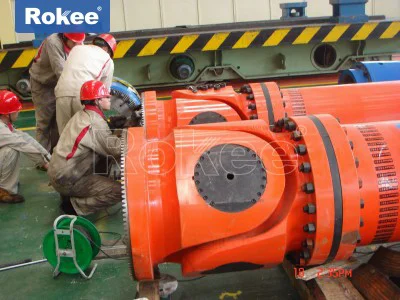
Different types of generator operating scenarios put forward differentiated performance requirements for cardan shafts, and the structural parameters of cardan shafts will be optimized according to the operating environment and power demand of generators. For small mobile generator units commonly used in temporary power supply scenarios such as construction sites and field operations, the cardan shaft is designed with a lightweight structure. The shaft tube is made of lightweight high-strength alloy materials, which reduces the overall weight of the transmission component, facilitates equipment movement and assembly, and can adapt to harsh working conditions such as uneven ground and frequent start-stop operation. For medium-sized industrial generator sets applied to factory production and commercial power supply, the cardan shaft focuses on torsional resistance and fatigue resistance. The wall thickness of the shaft tube is appropriately increased, and the surface of the universal joint is reinforced through precision processing to cope with long-term continuous operation and frequent load switching. For large-scale generator units used in power stations, the cardan shaft adopts an assembled multi-section structure, which is equipped with enhanced vibration damping structures. It can operate stably under high torque and high rotating speed conditions, and maintain transmission accuracy in long-cycle continuous power generation tasks, ensuring the stable output of electric energy.
In the actual operation of generator sets, the cardan shaft will be affected by various external factors to produce energy loss and mechanical wear, and reasonable structural optimization can effectively reduce the loss rate. Mechanical friction loss is the main energy consumption form of the cardan shaft. The contact parts between the universal joint and the cross shaft as well as the telescopic moving parts will generate friction resistance during rotation. Polishing the contact surface of parts and adding smooth auxiliary structures can reduce the friction coefficient, thereby lowering kinetic energy consumption. Vibration loss is another key factor affecting transmission efficiency. When the generator set operates at a variable speed, the inconsistent vibration frequency of each component will cause local stress concentration on the cardan shaft. By optimizing the structural symmetry of the shaft body and configuring buffer damping accessories, the vibration amplitude can be suppressed, and the mechanical fatigue caused by long-term vibration can be reduced. In addition, the ambient temperature will affect the physical properties of the cardan shaft material. In high-temperature working environments, the metal material is prone to thermal deformation, which changes the assembly gap of the transmission structure. The use of temperature-resistant alloy materials can maintain the structural stability of the shaft body in a variable temperature environment and avoid transmission efficiency attenuation caused by material deformation.
Daily maintenance and scientific inspection are crucial to extend the service life of the cardan shaft and ensure the safe operation of the generator set. In the routine maintenance work, it is necessary to regularly check the connection tightness of each assembly part of the cardan shaft to prevent the fastening fasteners from loosening due to long-term vibration, which may cause transmission jitter. The wear degree of the universal joint and the cross shaft should be focused on. Tiny scratches and abrasions on the surface of metal parts will gradually expand under continuous torque impact, and regular cleaning and lubrication can reduce abrasive wear between parts. For the telescopic structure, it is necessary to keep the internal sliding channel clean to avoid dust and impurity accumulation from blocking the telescopic stroke and affecting the displacement compensation function. During the shutdown maintenance period, the overall straightness of the shaft body should be detected. Slight bending deformation of the shaft tube will cause eccentric rotation during operation, increase mechanical noise and energy consumption, and minor deformation can be corrected through mechanical calibration. In addition, the aging degree of damping and sealing accessories should be checked regularly. Damaged sealing structures will cause dust and moisture to invade the interior of the component, inducing metal corrosion and reducing the structural strength of the cardan shaft.
With the continuous upgrading of power generation technology and the increasingly stringent requirements for energy utilization efficiency, the manufacturing and design technology of generator cardan shafts is also constantly evolving. In terms of material application, new high-strength corrosion-resistant alloy materials are gradually replacing traditional ordinary metal materials. These materials have lower density, higher torsional strength and better environmental adaptability, which can reduce the self-weight of the component while improving the load-bearing capacity and adapting to more complex extreme working environments. In terms of structural design, the integrated forming process is applied to the processing of shaft tubes and universal joints, which reduces assembly gaps between parts, improves the overall structural rigidity, and effectively suppresses mechanical vibration during operation. At the same time, the optimized arc transition design is adopted at the stress concentration parts to avoid part fracture caused by local excessive pressure. In terms of intelligent monitoring, some improved cardan shafts are equipped with built-in sensing structures, which can feed back the operating parameters such as rotating speed, torque and vibration amplitude of the shaft body in real time, providing data support for the intelligent maintenance of generator sets.
In the entire power generation system, the cardan shaft, as a seemingly inconspicuous intermediate transmission component, undertakes the vital connection task between mechanical power and power generation equipment. Its structural stability and operating efficiency directly affect the operating state of the generator set, and further determine the continuity and stability of electric energy output. Whether in conventional fuel generator sets or new energy power generation matching equipment, the flexible transmission advantage of cardan shafts cannot be replaced by rigid transmission parts. With the continuous development of the power industry towards high efficiency, energy saving and intelligence, the performance requirements for generator cardan shafts will continue to improve. Future research and development directions will focus on reducing transmission loss, extending service life, adapting to extreme working conditions and realizing intelligent monitoring. Through continuous material innovation, structural optimization and process upgrading, cardan shafts will maintain more stable operating performance in complex power generation systems, provide reliable mechanical transmission guarantee for the efficient operation of various generator sets, and lay a solid foundation for the stable supply of electric energy in all walks of life.