Specification And Model Of Universal Joint Coupling
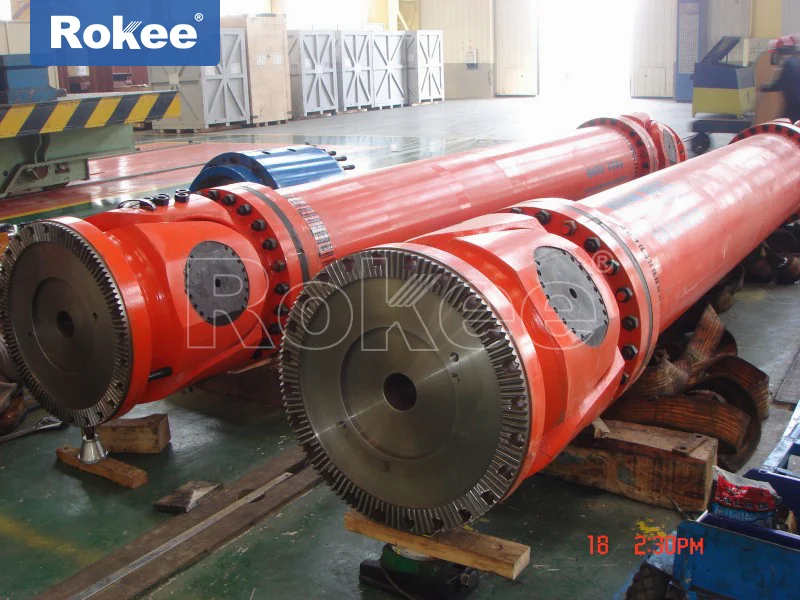
Universal joint couplings, also widely referred to as cardan joints or universal couplings, stand as indispensable mechanical components in the field of power transmission, engineered to connect two shafts that are not aligned in a straight line and transfer rotational torque and motion efficiently between them. Unlike rigid couplings that demand perfect shaft alignment, these flexible mechanical connectors are purpose-built to accommodate angular misalignment, parallel offset, and even axial movement between driving and driven shafts, making them a cornerstone in countless industrial, automotive, agricultural, and heavy machinery applications. The core functionality of a universal joint coupling hinges on its ability to maintain consistent power delivery despite shifts in shaft positioning, a trait that elevates its importance in systems where fixed alignment is impractical or unattainable due to mechanical movement, thermal expansion, or assembly tolerances. To fully grasp the utility and application scope of these components, a comprehensive understanding of their defining specifications and diverse model classifications is essential, as these parameters directly dictate performance limits, compatibility, durability, and operational suitability across varying working conditions.
At the heart of universal joint coupling design lie a set of core specifications that govern every aspect of its performance, from load-bearing capacity to operational speed and misalignment tolerance. The most critical specification is torque rating, which encompasses both nominal torque and fatigue torque; nominal torque refers to the steady rotational force the coupling can transmit continuously under normal operating conditions, while fatigue torque denotes the maximum torque it can handle under alternating or fluctuating loads without premature wear or structural failure. Torque specifications are closely tied to the physical dimensions of the coupling, particularly the outer diameter of the yoke assembly and the cross shaft diameter, with larger dimensional values typically correlating to higher torque-carrying capabilities. Another pivotal specification is the allowable angular misalignment, measured in degrees, which defines the maximum angle between the two connected shafts that the coupling can accommodate while maintaining smooth operation. Standard universal joints often support misalignment angles ranging from 15 degrees to 45 degrees, with specialized heavy-duty models engineered to handle even greater angular offsets for extreme applications. Speed rating is equally vital, as it specifies the maximum rotational speed, measured in revolutions per minute (RPM), at which the coupling can operate safely without excessive vibration, heat buildup, or mechanical failure. High-speed models feature precision-machined components and enhanced bearing systems to minimize friction and balance irregularities, while low-speed, high-torque variants prioritize robust construction over speed optimization.
Additional key specifications include dimensional parameters that ensure seamless integration with existing shaft systems, such as bore diameter, overall length, and mounting configuration. Bore diameter, available in both metric and imperial measurements, must match the outer diameter of the connected shafts to ensure a secure, slip-resistant fit; common bore designs include round bores, hexagonal bores, splined bores, and keyway bores, each tailored to different shaft connection methods and torque transmission needs. Overall length specifications encompass both the minimum compressed length and maximum extended length for telescopic or expandable models, which are critical for applications requiring axial adjustability. Mounting specifications cover the type of connection between the coupling and shafts, including clamp-style connections, set screw connections, and welded connections, each offering distinct advantages in terms of installation ease, load capacity, and maintenance accessibility. Material specifications further define the coupling’s performance and longevity, with standard options including carbon steel, alloy steel, and stainless steel; carbon steel provides a cost-effective balance of strength and durability for general-purpose use, alloy steel offers enhanced tensile strength and wear resistance for heavy-duty, high-load applications, and stainless steel delivers superior corrosion resistance for harsh environments exposed to moisture, chemicals, or extreme temperatures. Lubrication requirements also form a key specification, with some models designed for periodic lubrication to reduce friction and extend service life, while others feature sealed, pre-lubricated bearings for maintenance-free operation in hard-to-reach or sealed systems.
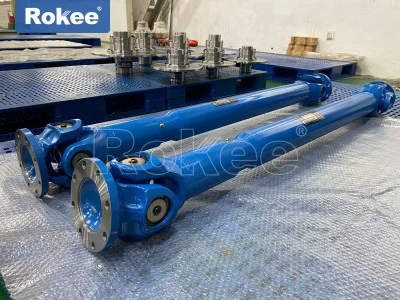
Universal joint couplings are categorized into distinct model families based on structural design, functional capabilities, and application-specific features, with each model lineup tailored to address unique operational challenges and performance demands. The most prevalent classification is based on the number of joint assemblies, dividing couplings into single universal joints and double universal joints. Single universal joints consist of a single cross shaft and two yoke assemblies, designed to accommodate angular misalignment between shafts that intersect at a single point; these models are compact, cost-effective, and ideal for light to medium-duty applications with moderate misalignment requirements. Double universal joints, also known as double cardan joints, feature two single joint assemblies connected by an intermediate shaft, enabling them to compensate for both angular misalignment and parallel offset between non-intersecting shafts. This dual-joint design eliminates the non-uniform rotational velocity inherent to single universal joints at larger misalignment angles, delivering smoother power transmission and making them suitable for high-precision, high-speed applications where consistent rotational flow is critical.
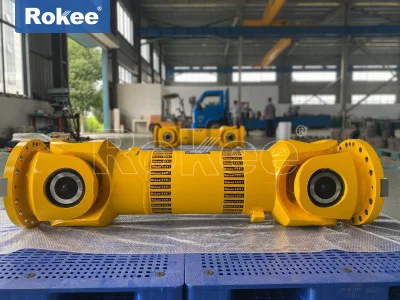
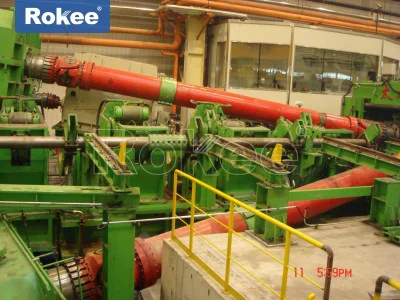
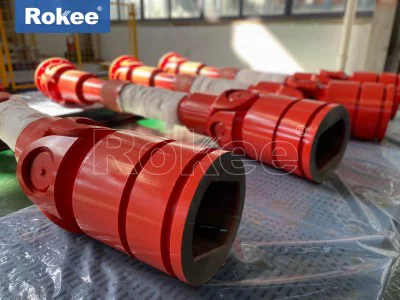
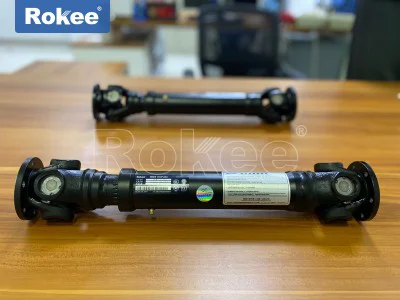
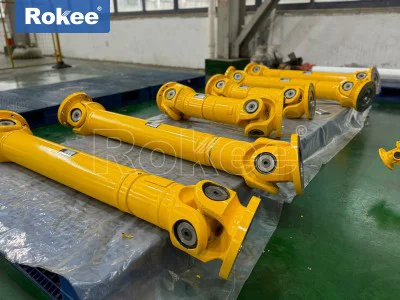
Beyond joint count, models are further differentiated by structural design variations, including integral yoke designs, split yoke designs, telescopic designs, and compact short-body designs. Integral yoke models feature a single-piece yoke construction, which enhances structural rigidity and load-bearing capacity, making them a top choice for heavy industrial machinery, rolling mills, and large-scale power transmission systems. These models boast exceptional durability under high torque and heavy impact loads, with a simplified design that reduces the risk of component separation during operation. Split yoke models, by contrast, feature a two-piece yoke assembly that can be easily disassembled for maintenance, shaft installation, or replacement without disrupting the entire drive system; this design is particularly valuable in large-scale equipment where accessibility is limited and downtime must be minimized. Telescopic universal joint couplings are equipped with a sliding intermediate shaft that allows for axial length adjustment, accommodating changes in shaft separation caused by mechanical movement, thermal expansion, or installation variances; these models are widely used in automotive drive trains, agricultural machinery, and mobile equipment where shaft distance fluctuates during operation. Compact short-body models are engineered for space-constrained applications, featuring a reduced overall length and streamlined profile without compromising torque capacity, making them ideal for small-scale machinery, precision equipment, and tight assembly environments where standard-sized couplings cannot fit.
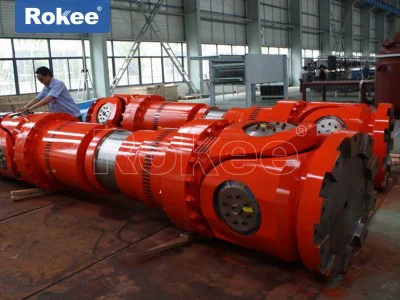
Model classifications also extend to application-specific variants, each optimized to excel in distinct operating environments. Heavy-duty universal joint couplings are built with reinforced cross shafts, thickened yoke walls, and heavy-duty needle bearings, engineered to withstand extreme torque loads, high impact forces, and continuous heavy operation in industries such as construction, mining, and metalworking. These models often feature larger dimensional profiles and hardened steel components to resist wear and deformation under strenuous conditions. Light-duty and precision universal joint couplings, on the other hand, are designed for low-torque, high-precision applications such as instrumentation, small power tools, and automated assembly systems, prioritizing smooth operation, minimal backlash, and compact size over maximum load capacity. Corrosion-resistant models, constructed from stainless steel or coated carbon steel, are tailored for harsh environments including marine equipment, food processing machinery, and chemical processing plants, where exposure to moisture, corrosive chemicals, or saline conditions would degrade standard steel components. High-speed models are precision-engineered with balanced components, low-friction needle bearings, and tight tolerance machining to support rotational speeds upwards of 4000 RPM, minimizing vibration and heat generation for applications such as industrial fans, pumps, and high-speed conveyor systems.
When selecting a universal joint coupling model, alignment between specific application requirements and coupling specifications is paramount to ensure optimal performance, longevity, and operational safety. Engineers and designers must first evaluate the core operational parameters: the required torque transmission capacity, rotational speed, and degree of shaft misalignment. A coupling with insufficient torque rating will fail prematurely under load, while an oversized model adds unnecessary weight, cost, and spatial requirements to the system. Misalignment tolerance must be matched to the actual shaft offset in the application; selecting a coupling with a lower misalignment rating than needed will lead to binding, increased wear, and power loss, while an overly high misalignment rating may compromise structural rigidity in applications with minimal shaft offset. Dimensional compatibility is equally critical, as the coupling’s bore diameter must precisely match the shaft size, and the overall length must fit within the available assembly space. For applications with axial movement, telescopic models with adequate length adjustment range are essential to prevent mechanical stress or damage from shaft separation changes.
Environmental factors also play a pivotal role in model selection, as operating conditions directly impact material and design choices. In high-temperature environments, couplings with heat-resistant bearings and materials that maintain structural integrity at elevated temperatures are necessary to prevent thermal deformation and lubricant breakdown. In cold or subzero environments, materials that resist brittleness and lubricants that remain fluid at low temperatures are required to ensure smooth operation. For dusty, dirty, or debris-filled settings, sealed coupling designs prevent contaminants from infiltrating bearing surfaces, reducing friction and wear and extending service life. Maintenance considerations further narrow model selection; sealed, maintenance-free couplings are ideal for hard-to-access locations where regular lubrication and upkeep are impractical, while models with accessible lubrication points and replaceable bearings are preferred for systems requiring routine maintenance to maximize operational lifespan.
The manufacturing and engineering of universal joint couplings adhere to strict dimensional and performance standards to ensure consistency, compatibility, and reliability across different models and applications. Standardized sizing protocols ensure that couplings with identical specifications are interchangeable, simplifying replacement and assembly processes. Precision machining techniques are employed to maintain tight tolerances for critical components such as cross shafts, yoke bores, and bearing surfaces, minimizing backlash, reducing friction, and ensuring smooth rotational movement. Heat treatment processes, including induction hardening and tempering, are applied to key load-bearing components to enhance surface hardness, wear resistance, and fatigue strength, preventing deformation and extending the coupling’s service life under cyclic loads. Quality control measures throughout the manufacturing process verify that each coupling meets torque, speed, and durability specifications, with rigorous testing for structural integrity, load capacity, and operational smoothness to eliminate defects and ensure consistent performance.
Proper installation and ongoing maintenance are essential to preserve the performance and lifespan of universal joint couplings, aligning with their inherent specifications and design features. During installation, careful alignment of connected shafts is recommended to minimize excessive misalignment beyond the coupling’s rated capacity, reducing unnecessary stress and wear. Secure fastening of shaft connections, whether via set screws, clamps, or welds, prevents slippage and ensures efficient torque transmission without power loss. For lubricated models, adhering to the specified lubrication schedule and using the recommended lubricant type is critical to reduce friction between moving components, dissipate heat, and prevent premature wear of bearings and cross shafts. Regular inspection routines should include checks for signs of wear, such as excessive play, vibration, or noise, as well as assessments of lubrication levels and seal integrity; early detection of issues allows for timely maintenance or replacement, preventing catastrophic failure and costly downtime. In applications with high wear rates, periodic replacement of wearable components such as bearings and seals can extend the overall life of the coupling, optimizing return on investment and maintaining consistent operational performance.
In summary, the specifications and models of universal joint couplings are intricately designed to cater to the diverse and evolving needs of power transmission systems across countless industries. Core specifications including torque rating, angular misalignment tolerance, speed capacity, dimensional parameters, and material composition define the operational limits and capabilities of each coupling, while model classifications based on structure, function, and application ensure a tailored solution for every unique use case. From compact light-duty precision couplings to heavy-duty industrial variants built for extreme loads, the versatility of universal joint couplings stems from their well-engineered specifications and diverse model offerings. By aligning coupling specifications with application requirements, selecting the appropriate model, and adhering to proper installation and maintenance practices, operators can harness the full potential of these mechanical components, ensuring reliable, efficient, and long-lasting power transmission even in challenging operating conditions. As mechanical systems continue to evolve and demand higher performance, greater durability, and enhanced flexibility, the development of universal joint coupling specifications and models will remain a critical focus, driving innovation in design, materials, and manufacturing to meet the ever-growing needs of modern machinery and power transmission technology.
The adaptability of universal joint couplings is further underscored by their ability to integrate seamlessly into both new and existing mechanical systems, offering a reliable solution for shaft connection challenges that rigid couplings cannot address. Whether in stationary industrial equipment, mobile machinery, or precision automated systems, the right combination of specification parameters and model design ensures that power is transmitted smoothly, efficiently, and reliably, even when shafts are misaligned or subject to movement. This inherent flexibility, paired with robust engineering and standardized performance metrics, solidifies the universal joint coupling as a foundational component in mechanical engineering, with its specifications and models continuing to evolve to meet the demands of emerging technologies and increasingly rigorous operational standards. Understanding the nuanced relationship between specification details and model functionality is not only essential for proper component selection but also for optimizing system performance, reducing maintenance costs, and enhancing the overall reliability of power transmission assemblies across all sectors of industry.